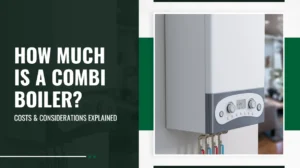
How much is a combi boiler in the UK typically costs £2,000–£4,500 to supply and install, though complex jobs can reach £5,500+. The boiler unit often costs £700–£2,500, with the rest covering labour, materials, and commissioning. Size affects price, with many flats suiting 24–28kW, while larger homes often need 28–32kW or more for multiple showers. Extras like power flushing, smart controls, or gas pipe upgrades can add cost; further details explain how to compare quotes.
Key Takeaways
- Typical UK combi boiler supply-and-install costs £2,000–£4,500; complex installations can reach £5,500+.
- Boiler unit prices usually range from £700 to £2,500; the rest covers labour, fittings, flushing, commissioning, and the disposal of the old boiler.
- Correct sizing depends on hot-water demand: 24–28kW for small flats, 28–32kW for 3–4 bed homes, 35–42kW for two showers.
- Extras such as smart controls, magnetic filters, power flushes, condensate routing, and gas pipe upgrades can significantly increase the total cost.
- Compare quotes on boiler model, warranty length, flue and access work, compliance certificates, and payment terms to judge value.
Table of Contents
Combi Boiler Cost in the UK (Supply + Fit)
Although prices vary by region and property type, the typical combi boiler cost in the UK for supply and installation usually falls between £2,000 and £4,500, with higher-end or complex jobs reaching £5,500 or more. The boiler unit itself often accounts for £700–£2,500, while labour and materials cover the rest. Costs rise when a system needs a power flush, smart controls, condensate routing, upgraded gas pipework, or relocation of the appliance.
Flue changes, scaffolding, or difficult access can also add time and fees. Buyers retain more control by comparing like-for-like quotes: model, warranty length, filter, controls, and disposal of the old boiler should be stated. A Gas Safe engineer is essential for safety and compliance, and paperwork (Benchmark log and Building Regulations notification) protects future resale options. Timing can matter; off-peak scheduling and flexible dates may reduce labour charges.

What Size (kW) Combi Boiler Do I Need?
How big should a combi boiler be to meet demand without wasting energy? Size is measured in kilowatts (kW) and is driven mainly by hot-water flow rate, not just space heating. A small flat with one bathroom may suit roughly 24–28kW, while a typical 3–4-bed home with one main shower often draws around 28–32kW. Homes with two showers that may run simultaneously usually require 35–42kW to maintain steady pressure and temperature.
How much is a combi boiler? Room heating load matters too: better insulation and modern radiators can reduce the kW required for heating, but combis are commonly sized for hot water first. Water mains pressure, number of occupants, and simultaneous taps are key. Oversizing can waste energy through cycling; undersizing limits showers. An independent heat-loss and flow-rate check protects choice and autonomy.
Replacement vs Conversion: Combi Boiler Cost
When budgeting for a combi boiler, the cost differs sharply between like-for-like replacement and conversion from a conventional or system setup. A straightforward replacement typically focuses on the appliance itself, so pricing is easier to compare across brands, outputs, and efficiency tiers. Entry-level combis suit tighter budgets, while premium models add stainless-steel heat exchangers, smarter controls, smart-control compatibility, longer warranties, and stronger hot-water performance.
Conversion costs usually rise because extra components may be needed beyond the boiler: removing a hot-water cylinder, dealing with a loft or airing-cupboard tank, adding magnetic filtration, upgrading flue routing options, and improving system protection against sludge and limescale.
Pipework alterations and mains-pressure limitations can also dictate further hardware, such as pressure-boosting solutions or flow-balancing measures. For households seeking independence from stored hot water and freeing up space, conversion can be worth the higher upfront outlay, provided hot-water demand matches combi capability.
Combi Boiler Installation Cost (Labour + Essentials)
Labour is the biggest moving part in combi boiler installation cost, because it reflects the job’s time, access, and complexity rather than the boiler’s sticker price. Installers typically price by day rate or fixed quote, covering removal, mounting, pipework tie-ins, commissioning, and handover. Straightforward swaps in accessible cupboards cost less; tighter spaces, long runs, or awkward flue routes push labour up.
Beyond labour, essentials are the non-negotiables that keep the system safe, efficient, and certifiable, and they protect the homeowner’s freedom from repeat callouts.
A proper quote usually includes:

A transparent installer separates boiler, labour, and essentials, so the buyer can choose confidently without hidden constraints or surprises later.
Common Extras That Increase Combi Boiler Cost
Several common add-ons can raise the total cost of a combi boiler beyond the boiler, labour, and essential commissioning items, especially where the existing system needs upgrades to meet current standards or to improve performance. A magnetic filter and system flush are often recommended to protect the heat exchanger and keep control in the homeowner’s hands by reducing future callouts.
How much is a combi boiler, thermostatic radiator valves, room thermostats, and smart controls can add to the cost, but give finer scheduling and zoning freedom, cutting waste without sacrificing comfort. If the gas supply or meter is undersized, a gas pipe upgrade may be required. Flue extensions, plume management kits, or relocating the flue can be necessary for safe siting and neighbour-friendly discharge.
Condensate pipe rerouting, a condensate pump, or frost protection may be needed in cold locations. Replacing radiators, adding a towel rail, or upgrading valves and pipework can further increase the total.
Combi Boiler Price by Brand and Warranty
After allowances are made for installation extras, the boiler’s make and the length and terms of its warranty often become the main drivers of the final figure. Well-known brands typically command higher upfront prices, reflecting broader parts availability, established service networks, and perceived reliability. Lesser-known makes can undercut on purchase cost, yet may narrow choice later if specialist components or accredited engineers are required.
Warranty structure also steers value: a longer term can reduce exposure to surprise repair bills, but only if conditions are met. Many manufacturers tie coverage to annual servicing, approved filters, and registration within strict time limit requirements that protect choice only when they are understood in advance.
- Brand reputation and local engineer familiarity
- Warranty length versus what is actually covered
- Registration deadlines and proof-of-service rules
- Availability and pricing of replacement parts
- Transferability to a future homebuyer
Is an A-Rated Combi Boiler Worth the Extra Cost?
Whether an A-rated combi boiler is worth the extra cost depends on how quickly its higher efficiency translates into real savings on gas use, balanced against the upfront premium.
In many homes, a modern A-rated unit can cut wasted heat through better modulation, improved heat exchangers, and smarter controls, lowering bills without demanding lifestyle compromises. Payback tends to be faster where heating is used often, the property is larger, or an older boiler is being replaced.
For light-use flats or well-insulated homes with low demand, the savings may take longer to outweigh the price gap. Longevity and reliability also matter: higher-end A-rated models may include stronger components and longer warranties, reducing disruptive breakdowns and giving owners more control over their time. Efficiency gains are only realised if the system is set up well and run at suitable flow temperatures, especially with condensing operation.

How to Compare Combi Boiler Quotes Fairly
An A-rated combi boiler only delivers value if the installation and specification match the home, so comparing quotes on a like-for-like basis matters as much as the headline price. A fair comparison protects the buyer’s freedom to choose on performance, not sales spin.
- Boiler model, output (kW), and hot-water flow rate (l/min)
- Scope of works: controls, filter, flue route, condensate, and commissioning
- System prep: powerflush, inhibitor, pipe upgrades, and radiator balancing
- Warranty terms: length, labour coverage, annual servicing requirements, exclusions
- Compliance and extras: Gas Safe registration, Building Control notification, disposal
Quotes should state assumptions about heat-loss and mains pressure; vague “from” prices restrict choice. Labour time, access constraints, and making-good (boxing-in, brickwork, electrics) should be itemised to avoid surprises. Finally, compare payment terms and lead times: flexibility matters when a home cannot wait.
Frequently Asked Questions
What Is the Average Lifespan of a Combi Boiler?
A combi boiler typically lasts 10–15 years on average, though well-maintained units can last up to 20 years. Lifespan depends on water quality, usage, installation, and servicing, empowering owners to maximise reliability and independence.
How Often Should a Combi Boiler Be Serviced to Stay Under Warranty?
A combi boiler should be serviced annually by a qualified engineer to keep most warranties valid. Owners typically must retain service records and follow the manufacturer’s terms. Skipping annual checks can void coverage and reduce choice.
Can a Combi Boiler Work Well With Low Water Pressure?
A combi boiler can work with low water pressure, but performance often drops, especially for hot-water flow. Many units need minimum mains pressure; a booster pump, accumulator, or system redesign can restore reliable, independent comfort.
Do Combi Boilers Need a Hot Water Cylinder or Cold Water Tank?
Combi boilers typically need neither a hot water cylinder nor a cold water tank, since they heat water on demand from the mains. Exceptions occur in complex setups or when adding unvented storage as an option.
Are There Grants or Financing Options Available for Combi Boiler Installation?
Yes, grants and financing are available for combi boiler installations through government efficiency schemes, local authority programs, and supplier incentives. Many installers also offer low-interest credit or monthly plans, enabling homeowners to choose upgrades freely.
Conclusion
How much is a combi boiler costs in the UK varies widely depending on output (kW), brand, warranty length, and whether the job is a like-for-like replacement or a full conversion. Beyond the boiler itself, labour, controls, filters, flue work, and any pipe or gas upgrades can greatly affect the final price. Choosing an A-rated model may cost more upfront, but it can reduce running costs. Comparing quotes fairly requires matching specifications, scope, and aftercare.