The EICR Test Checklist serves as a thorough guide for landlords to guarantee the electrical safety and compliance of their properties. It covers essential aspects, including checking the condition of earthing, bonding, switchgear, and wiring systems, along with continuity, insulation resistance, and RCD testing. This meticulous inspection process helps in the early detection of hazards, enhancing tenant safety and safeguarding landlord investments. Importantly, it adheres to legal standards, documenting all findings with a severity coding system to prioritise necessary repairs. Familiarising oneself with the inspection process, components, and follow-up actions can lead to better compliance and property management.
Key Takeaways
- Ensure all electrical systems are visually inspected for physical damage or deterioration.
- Conduct continuity, insulation resistance, and RCD effectiveness tests on electrical circuits.
- Review and prioritise any identified faults using the severity coding system (C1, C2, C3).
- Address and rectify critical issues immediately to comply with legal safety standards.
- Maintain thorough documentation of the EICR report for legal compliance and future reference.
Table of Contents
Understanding What an EICR Test Checklist Really Covers
An Electrical Installation Condition Report (EICR) test checklist is an important tool that allows landlords to verify the safety and compliance of electrical systems within their properties. This checklist serves as a thorough guide for evaluating all aspects of the electrical installations, guaranteeing they meet the current legal safety standards.
The checklist typically includes several key components to be inspected. First, it covers the adequacy of earthing and bonding. Technicians check whether the electrical installations have proper connections to reduce the risk of electric shock.
Another significant area is the condition of the switchgear and control gear, including consumer units and circuit-breakers, to confirm they are not damaged or outdated. Inspectors also evaluate the type and condition of the wiring system throughout the property, including sockets, light fittings, and any fixed electrical equipment.
The presence and functionality of residual current devices (RCDs), which protect against electric shock and fire hazards, are meticulously checked. Additionally, the checklist includes the examination of the location and suitability of electrical equipment, considering how environmental influences could affect safety.
Each of these elements is vital for maintaining electrical safety and compliance, thereby safeguarding tenants and properties alike.

Why an EICR Checklist is Essential for Property Safety
The importance of an EICR test checklist cannot be overstated when it comes to ensuring the safety of residential properties.
By systematically identifying potential electrical hazards, this checklist aids in preventing electrical fires and other risks.
Furthermore, regular testing as part of the EICR process protects both tenants and the landlord’s property investments, enhancing overall safety and compliance with legal standards.
Preventing electrical fires and hazards through early detection
Identifying potential electrical issues before they escalate into serious hazards is essential for maintaining safe living environments in rental properties. An EICR test checklist serves as a vital tool for this purpose. By conducting these assessments, landlords can detect and address electrical defects early, greatly reducing the risk of fire or injury.
Key aspects of early detection through an EICR test checklist include:
- Identification of Overloaded Circuits: Overloading is a common cause of electrical fires. The EICR process helps to identify circuits that are at risk, allowing for timely changes and interventions.
- Spotting Wear and Tear: Electrical systems naturally degrade over time. An EICR test checklist can pinpoint areas where wear and tear could compromise safety, such as outdated wiring or deteriorating insulation.
- Highlighting Non-compliant Installations: Compliance with current electrical standards is important. An EICR checks for installations that do not meet legal safety standards, ensuring that all electrical systems are up to code and do not pose a hazard to occupants.
Protecting tenants and assets with regular testing
Regular testing of electrical installations through an EICR is important for safeguarding both tenants and property assets. An Electrical Installation Condition Report (EICR) is not just a formal document; it is a critical tool in the ongoing maintenance and safety protocol of any rental property. This process involves a thorough inspection of the electrical systems to identify any defects, deterioration, or deviations from the wiring standards that could pose potential risks.
For landlords, carrying out regular inspections is essential for maintaining property safety and compliance. Using an EICR test checklist ensures adherence to legal standards while reducing the risk of liability from electrical faults. Routine EICR testing also helps detect minor issues before they become costly repairs, protecting both the property’s value and the comfort of tenants.
Furthermore, tenants are more likely to feel secure in a property that is regularly maintained, which can enhance tenant-landlord relations and aid in tenant retention. This proactive approach not only promotes safety but also demonstrates a landlord’s commitment to upholding high standards of living conditions.
Ultimately, an EICR is an indispensable part of property management that serves to protect both physical assets and human lives.
Key Steps Electricians Follow During an EICR Inspection
In conducting an EICR inspection, electricians begin with a thorough visual examination of the electrical systems, followed by detailed circuit testing to guarantee functionality and safety.
They record all findings, noting down any discrepancies, defects, or potential hazards that could pose risks.
This systematic approach not only assesses the current state of electrical installations but also helps in future electrical issues.
From visual examination to circuit testing
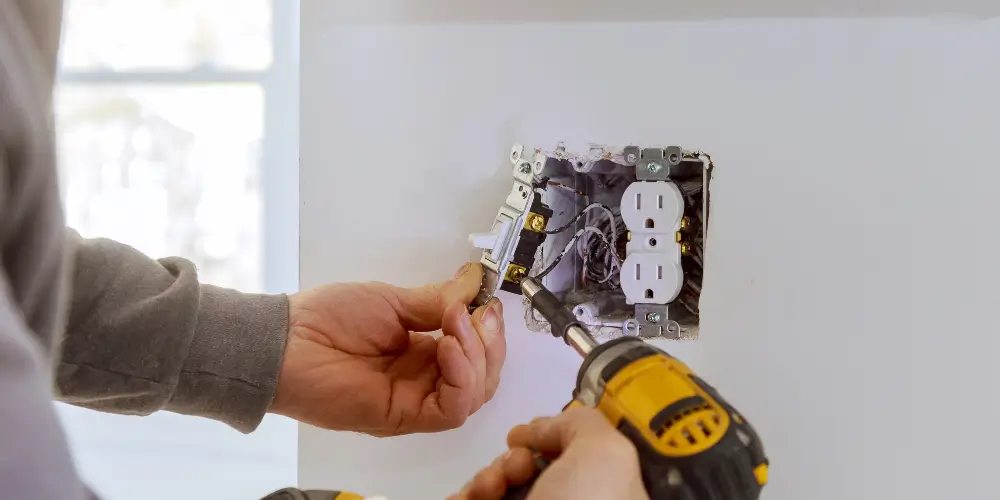
The process of an Electrical Installation Condition Report (EICR) commences with a thorough visual examination, where electricians assess the physical condition of electrical installations before proceeding to circuit testing. This initial assessment is vital in identifying any visible signs of deterioration, damage, or non-compliance with current safety standards.
Following the visual inspection, the electrician moves on to more detailed testing to guarantee the integrity and safety of the electrical systems.
Key steps include:
- Continuity Testing: This guarantees that there are no open circuits in connections. Electricians check if the protective conductors (earth wires) and bonding conductors are effectively continuous throughout the circuit.
- Insulation Resistance Testing: This test helps in detecting any breakdowns in insulation that could lead to dangerous situations like short circuits or electrical fires. It involves applying a voltage between live conductors and also between live conductors and earth.
- RCD Testing: Residual Current Devices are checked for their response time and effectiveness in breaking the circuit under fault conditions. This is essential for preventing electric shocks and making sure the device reacts appropriately under fault conditions.
The EICR test checklist collectively helps in evaluating the safety and functionality of electrical installations, forming a thorough picture of the electrical system’s health.
Recording results and identifying potential risks
Following the completion of continuity, insulation resistance, and RCD testing, electricians must meticulously record the results and identify potential risks in the electrical installations. This significant step in the EICR test checklist ensures that every aspect of the system’s safety and functionality is thoroughly documented, which is crucial for identifying and resolving any issues and ensuring compliance with electrical safety standards.
The recording process involves entering detailed findings into the Electrical Installation Condition Report (EICR). This includes notations on the condition of circuits, the effectiveness of safety devices, and the presence of any wear or damage. Each observation is marked according to its severity, using codes ranging from C1 for ‘danger present’, C2 for ‘potentially dangerous’, to C3 for ‘improvement recommended’. This coding system helps prioritise repair work and enhances the clarity of the report for landlords, who may not have technical electrical knowledge.
Electricians also use this stage to analyse the data collected to pinpoint areas that could pose future risks. For instance, outdated wiring or overloaded circuits that have passed current tests but could fail under increased loads.
Identifying these potential hazards is essential for proactive maintenance planning, guaranteeing properties remain safe and compliant over time.
Pre-Inspection Tasks Every Landlord Should Complete
Before scheduling the EICR (Electrical Installation Condition Report) inspection, landlords must confirm that all necessary pre-inspection tasks are meticulously completed to facilitate a smooth and efficient evaluation.
This preparation is an essential part of the EICR test checklist, ensuring the inspection process is both thorough and compliant with safety standards, which helps avoid potential delays and re-inspections.
Here are three pre-inspection tasks:
- Documentation Preparation: Confirm that all previous electrical inspection reports are available. This includes any records of repairs or replacements done after the last inspection.
Having these documents ready can help the electrician understand the history and condition of the electrical systems more accurately.
- Access Clearance: Verify that there is clear access to all areas with electrical systems, including basements, attics, and utility rooms.
Remove any obstructions that might hinder the inspector’s ability to perform a thorough assessment. This includes opening any doors or panels that cover electrical components.
- Operational Check: Conduct a basic check of all electrical fixtures and appliances to confirm they are functioning correctly.
Note any irregularities or issues, such as flickering lights or malfunctioning outlets, to inform the inspector beforehand. This proactive approach in the EICR test checklist helps in pinpointing areas that require more detailed examination during the inspection.
Main Electrical Components Checked in an EICR
During an Electrical Installation Condition Report (EICR), several critical components of the property’s electrical system are rigorously examined to confirm they meet safety standards. These main components typically include consumer units (fuse boxes), wiring systems, and grounding installations. Each of these elements plays an essential role in guaranteeing electrical safety and functionality throughout the property.
Consumer units are checked for their condition, the correct type and compatibility of fuses, and whether they provide adequate protection against electric shock and fire. The integrity and suitability of the wiring systems are assessed, focusing on insulation and connections, to prevent potential hazards like electrical fires or shocks.
Grounding installations, or earth bonding, are scrutinised to verify they effectively prevent electrical surges and enhance user safety. Additionally, inspectors look at accessories such as light fixtures and sockets, verifying their installation and condition. Fixed appliances are also examined to confirm they are correctly connected and safely operational.
The inspection covers the presence and correct placement of residual current devices (RCDs), which protect against electric shock by rapidly disconnecting power. This thorough evaluation in the EICR test checklist guarantees that all fundamental electrical components are safe, up to standard, and reliable.
Identifying Common Issues Found in EICR Reports
Many EICR assessments reveal electrical issues that pose significant safety risks.
Landlords need to be aware of these common problems to guarantee their properties are safe and comply with electrical safety regulations. Identifying and addressing these issues early can prevent potential hazards and promote tenant safety.
Here are three common issues often found in EICR reports:
- Inadequate Earthing and Bonding: Essential for safety, proper earthing and bonding prevent electric shocks by ensuring that, in the event of a fault, the electrical current has a safe path to the ground. Reports often show that older installations lack adequate earthing, which poses a serious risk.
- Overloaded Circuits: Many properties have overloaded circuits due to the increased use of modern appliances. This can lead to overheating and, ultimately, electrical fires. Confirming circuits are correctly rated and not exceeded is vital.
- Outdated Wiring Systems: Older wiring often fails to meet current electrical standards and can deteriorate over time, leading to a higher risk of fire or electric shock. Rewiring parts of or the entire property might be necessary to mitigate these risks.
Addressing these issues through an EICR test checklist not only enhances safety but also extends the lifespan of electrical systems in rental properties.
The Role of an EICR Test Checklist in Legal Compliance
The EICR checklist serves as an essential tool for landlords to guarantee compliance with UK safety regulations.
By adhering to this checklist, landlords not only meet legal requirements but also maintain the validity of their property insurance.
Understanding the intersection of EICR compliance and insurance coverage is significant for protecting both tenants and property investments.
Meeting UK landlord safety regulations
Ensuring compliance with UK landlord safety regulations necessitates the use of an Electrical Installation Condition Report (EICR). This document is essential not only for meeting legal requirements but also for ensuring the safety and integrity of electrical installations within rental properties.
The role of the EICR in maintaining legal compliance can be detailed as follows:
- Identification of Deficiencies: The EICR assesses the safety of electrical systems and identifies any deviations from the current standards. This enables landlords to address potential hazards before they pose serious risks to tenants.
- Documentation of Compliance: By maintaining an up-to-date EICR test checklist, landlords provide documented proof of their electrical systems’ compliance with safety standards. This is important during inspections by regulatory bodies or in the event of legal scrutiny.
- Regular Updates and Maintenance: The EICR promotes ongoing maintenance and regular safety checks, which are required by law. Landlords are tasked with ensuring that electrical installations are inspected and tested by a qualified person at intervals recommended by the latest regulations.
Understanding how EICR supports insurance validity
An Electrical Installation Condition Report (EICR) not only facilitates compliance with safety regulations but also plays a crucial role in maintaining the validity of insurance policies for landlords. When landlords seek to insure their properties, insurers typically require proof that the building meets current electrical safety standards. An up-to-date EICR serves as this proof, demonstrating that the electrical installations have been professionally assessed and are considered safe.
Without a valid EICR, insurers may deem a property too high-risk, potentially refusing coverage or greatly increasing premiums. In the event of an electrical fire or similar incident, the absence of a current EICR can lead to insurers declining claims, arguing that the landlord failed to take reasonable steps to guarantee the safety of the property. This could leave landlords facing substantial financial losses and legal liabilities.
Moreover, adhering to the EICR test checklist guidelines and maintaining regular checks can prevent such incidents, further reducing insurance costs and enhancing tenant safety. Consequently, the EICR is not merely a regulatory formality but a critical component in managing risk and legal responsibilities for landlords, guaranteeing that their investments remain protected under the terms of their insurance policies.
What Happens After Your EICR Inspection is Complete
Once your EICR inspection is finalised, you will receive an extensive report detailing the electrical safety status of your property.
This document is essential for understanding any existing faults or areas that do not comply with current safety standards.
Should your property fail to meet these standards, immediate action is required to address and rectify the identified issues to guarantee safety and compliance.
Receiving and interpreting your final report
How should landlords proceed after their property’s Electrical Installation Condition Report (EICR) is completed? Once you receive the final report, it’s essential to understand its contents to guarantee the safety and compliance of your electrical installations.
Here’s a straightforward approach to interpreting the findings:
- Review the Classification Codes: The EICR will include specific codes that describe the condition of your electrical system. Codes C1 and C2 indicate urgent hazards that need immediate attention, whereas C3 suggests recommendations for improvements. Familiarise yourself with these codes to assess the urgency of any required actions.
- Examine the Observations and Recommendations Section: This part details the inspector’s findings and the reasons behind each code assignment. Review each observation carefully to understand the potential risks and the rationale for suggested actions.
- Check the Summary of the Installation’s Condition: This summary provides an overall assessment of your electrical system’s safety. A statement of ‘satisfactory’ means that your property meets current safety standards, while ‘unsatisfactory’ indicates that remedial work is necessary to comply with safety regulations.
Understanding these elements within your EICR will guide you in maintaining a safe living environment for your tenants and help in planning any necessary updates or repairs.
Next steps if your property fails the EICR test
If your property receives an ‘unsatisfactory’ rating on the Electrical Installation Condition Report (EICR), immediate action is required to address the identified deficiencies. This rating indicates potential safety hazards that could pose a risk to tenants, and as a landlord, you are legally obligated to guarantee that all electrical installations are safe.
The EICR will detail specific faults and classify them by their level of severity. Codes such as ‘C1’ signify immediate danger, where repairs must be undertaken immediately to prevent the risk of injury. A ‘C2’ indicates potentially dangerous conditions, necessitating urgent rectification, and ‘C3’ suggests improvements are recommended for enhanced safety.
Upon receiving an unsatisfactory EICR, you should promptly hire a qualified electrician to perform the necessary repairs or replacements. It’s essential to address the most severe classifications first.
After the remedial work is completed, a follow-up EICR should be conducted to confirm that all issues have been satisfactorily resolved, guaranteeing compliance with legal safety standards.
Documentation of both the initial and follow-up EICR should be kept as part of your property’s safety records. This not only demonstrates due diligence but also guarantees that you are legally protected should any disputes arise.

BS7671 EICR Regulations for Rented Properties
Understanding the BS7671 EICR regulations is important for landlords managing rented properties. These regulations, part of the UK national standard for electrical safety, dictate the requirements for the design, installation, inspection, and testing of electrical systems. Compliance confirms that electrical installations are safe before being put into service and maintained thereafter.
Here are the key components of the BS7671 that landlords should be aware of:
- Scope of Inspections: The regulations outline what aspects of the electrical systems need to be inspected. This includes all fixed electrical parts, such as wiring, plug sockets, light fittings, and fuse boxes.
- Safety Standards: BS7671 sets the minimum safety standards that must be met to protect against electrical shocks and fires. These standards are essential for guaranteeing the safety of tenants and the legal compliance of the property.
- Documentation: After inspection, a detailed report is required. This document, part of the EICR test checklist, assesses the electrical safety of the property and highlights any areas needing attention. It serves as proof of compliance and is significant for addressing any issues identified during the inspection.
Landlords must confirm their properties meet these regulations to comply with the law and ensure tenant safety.
How Often Landlords Need an EICR Test
To guarantee continued electrical safety and compliance with BS7671 regulations, landlords are required to obtain an Electrical Installation Condition Report (EICR) at regular intervals. Specifically, the frequency of these tests depends on several factors, including the type of accommodation, the age of the electrical installation, and any recommendations made by a qualified electrician in a previous EICR.
Generally, for residential properties, it is recommended that landlords conduct an EICR test at least every five years or on the change of tenancy.
However, if the property is a House in Multiple Occupation (HMO), the regulations stipulate that an EICR test checklist must be conducted every five years without exception. Landlords must adhere to these timelines to ensure the safety of their tenants and the legal compliance of their properties.
Additionally, if any faults are found during an EICR, immediate action is required to rectify these issues to maintain the integrity of the electrical system and prevent potential hazards.
Staying informed about and compliant with these requirements not only guarantees the safety of electrical installations but also protects landlords from legal penalties and enhances the reliability of their rental properties.
Frequently Asked Questions
Can a Landlord Perform an EICR Test Themselves?
Landlords cannot perform an Electrical Installation Condition Report (EICR) test themselves unless they are qualified and registered electricians. The test requires professional expertise to guarantee compliance with national safety standards and regulations.
Are EICR Tests Necessary for Short-Term Rentals?
Yes, EICR tests are necessary for short-term rentals to guarantee electrical safety compliance and protect tenants. Landlords must periodically perform these inspections regardless of the rental duration to meet legal safety standards.
What Are the Penalties for Non-Compliance With EICR Requirements?
Non-compliance with EICR requirements can result in significant penalties, including fines and legal action. Landlords may also face restrictions on renting properties until compliance is achieved, which can impact both financial and operational aspects.
Does an EICR Cover External Buildings Like Garages?
An Electrical Installation Condition Report (EICR) typically includes external buildings such as garages, provided they are part of the property’s electrical supply and connected to the main electrical system.
How Can Tenants Request an EICR From Their Landlord?
Tenants can request an Electrical Installation Condition Report (EICR) from their landlord by formally writing to them, detailing their concerns or requests for electrical safety checks in accordance with their tenancy agreement and local regulations.
Conclusion
In summary, the EICR test checklist serves as an important tool for landlords to guarantee electrical safety and compliance with legal standards. By thoroughly evaluating key electrical components and adhering to BS7671 regulations, landlords help safeguard both property and tenant well-being. Regular EICR evaluations are vital in maintaining these standards. Ultimately, the diligent application of the EICR checklist not only enhances safety but also fortifies the integrity of rental properties in the long term.