EICR fault codes play an integral role in maintaining electrical safety within UK properties. These codes categorise possible danger into distinct levels, guiding homeowners and landlords in addressing issues effectively. Understanding these classifications can prevent serious incidents and guarantee compliance with safety regulations. However, many remain unaware of the specific implications of each code. The importance of these codes extends beyond compliance, raising questions about their impact on property safety and longevity.
Key Takeaways
- EICR fault codes categorise electrical issues into reproving (C1), urgent (C2), and improvement recommendations (C3) for effective safety management.
- Understanding these codes enables property owners to proactively address latent risk and maintain electrical safety in their homes.
- Regular EICR assessments are essential for compliance with safety standards, particularly for landlords managing rental properties.
- Outdated wiring systems in vintage properties often require upgrades to meet contemporary safety standards and reduce risks of electrical failures.
- Addressing issues highlighted by EICR codes can prevent costly repairs and enhance the long-term reliability of electrical systems.
Table of Contents
EICR Fault Codes Explained: A Complete Guide for Property Owners
Understanding is essential for property owners seeking to guarantee the safety and compliance of their electrical installations. These codes serve as a fundamental guide, enabling individuals to identify probable danger within their properties’ electrical systems. Each code corresponds to specific issues, ranging from minor defects to serious safety risks that could jeopardise both property and lives.
For property owners, being aware of these codes empowers them to take proactive measures. Instead of relying solely on professionals, they can understand the nature of any problems and make informed decisions about repairs or upgrades.
This knowledge not only fosters independence but also enhances the overall safety of the environment. By grasping the significance of, property owners can confidently operate the complexities of electrical compliance, ensuring their spaces remain safe, functional, and free from undue risk. Understanding is essential for property owners seeking to guarantee the safety and compliance of their electrical installations. These codes serve as a fundamental guide, enabling individuals to identify budding problems within their properties’ electrical systems. Each code corresponds to specific issues, ranging from minor defects to serious safety risks that could endanger both property and lives.

EICR Fault Codes Demystified: What Your Electrician Isn’t Telling You
EICR can often seem opaque, leaving property owners in the dark about the true state of their electrical systems. These codes, assigned during an Electrical Installation Condition Report (EICR), categorise issues that may compromise safety.
Unfortunately, electricians sometimes use technical jargon without fully explaining the implications of each code. For instance, a “C1” code indicates a probable dangerous situation requiring immediate action, while a “C3” suggests improvement but is less urgent.
Property owners deserve clarity, as understanding these distinctions empowers them to make informed decisions regarding repairs and upgrades. Additionally, hidden within these codes are insights about the overall health of the electrical system, which may not be fully communicated.
How EICR Fault Codes Can Predict Future Electrical Failures in Your Home
While many property owners may regard them as mere indicators of current issues, these codes also serve as valuable predictors of likely future electrical failures. By analysing the nature of these codes, homeowners can proactively address weaknesses in their electrical systems, thereby safeguarding against costly repairs and problems.
| Fault Code Type | Implication for Future Failures |
| Code 1 | Indicates imminent overload risk; suggests upgrading circuits. |
| Code 2 | Points to faulty insulation; dormant for short circuits ahead. |
| Code 3 | Reveals outdated installations; may lead to general system failure. |
Understanding EICR Fault Codes: What Each Code Means and Why It Matters
Electrical safety is paramount for any property owner, making it essential to grasp the significance of fault codes from an Electrical Installation Condition Report (EICR).
These codes serve as fundamental indicators of the electrical system’s condition, highlighting unrealized risk that could compromise safety. Each code corresponds to specific issues, such as insufficient earthing or overloaded circuits, guiding property owners in understanding the urgency of necessary repairs.
Recognising these codes empowers individuals to make informed decisions regarding their electrical systems, encouraging a response to maintenance. This knowledge not only mitigates risks but also improves the overall safety of the property.
By appreciating the meaning behind each fault code, property owners can prioritise corrective actions, ensuring compliance with regulations and safeguarding their homes.
Ultimately, understanding EICR is crucial for developing a safe living environment and promoting responsible property management.
Common EICR Fault Codes and How Electricians Identify Electrical Risks
Understanding common is essential for identifying electrical risks within any property. Electricians apply these codes to assess the safety and functionality of electrical installations. Each fault code signifies a specific issue, ranging from minor deficiencies to serious jeopardy. Codes such as C1 indicate immediate danger, while C2 points to possible risks requiring urgent attention. C3 suggests improvements that could be made but are not mandatory.
Electricians systematically examine wiring, circuits, and appliances, comparing their findings against these established codes. They may use testing equipment to measure insulation resistance and circuit continuity, ensuring compliance with safety standards.
Landlord Compliance 2025: Understanding EICR Fault Codes Before Your Next Inspection
As landlords prepare for the upcoming compliance requirements set for 2025, familiarising themselves with the requirements becomes essential for ensuring their properties meet safety standards. Understanding these codes will empower landlords to proactively address latent electrical issues, promoting safety and compliance.
| Fault Code | Description | Action Required |
| C1 | Danger present | Immediate remedial action |
| C2 | Potentially dangerous | Urgent action required |
| C3 | Improvement recommended | No immediate action needed |
| FI | Further investigation | Recommended for follow-up |
Being informed about these codes not only helps in maintaining safe living conditions but also avoids likely legal repercussions. As the deadline way, landlords who grasp these concepts will enjoy greater peace of mind, ensuring their properties remain safe, compliant, and welcoming for tenants.
A Beginner’s Guide to EICR Fault Codes for Landlords and Homeowners
Familiarity with is essential for both landlords and homeowners, especially as compliance standards evolve. Understanding these codes empowers property owners to take proactive measures in maintaining electrical safety and ensuring compliance.
The following points highlight key aspects of:
- Code Awareness: Familiarity with codes such as C1 (danger present) and C2 (potentially dangerous) helps in recognising the severity of electrical issues.
- Action Required: Knowing which codes necessitate immediate action versus those that require monitoring can help in prioritising repairs and compliance tasks.
- Long-term Safety: Understanding these codes supports not only legal compliance but also improves the safety and well-being of tenants and occupants.
7. EICR Fault Codes and Tenant Safety: What Every Letting Agent Should Know
Ensuring tenant safety hinges on a thorough grasp of what is essential for letting agents in maintaining compliance and safeguarding residents. These codes, derived from the Electrical Installation Condition Report, identify budding fate within electrical systems, allowing for prompt action to mitigate risks.
Letting agents must familiarise themselves with these codes to effectively communicate issues to landlords and prioritise repairs. A proactive approach to understanding can prevent dangerous situations, ensuring that properties meet safety standards.
This knowledge not only protects tenants but also increase the reputation of letting agents as responsible and informed professionals. Furthermore, compliance with EICR requirements is a legal obligation, making it imperative for letting agents to stay updated on relevant regulations.
Ultimately, prioritising tenant safety through the comprehension of contributes to a secure living environment and building trust between tenants and property managers.
How to Respond to EICR Fault Codes: Practical Steps for Corrective Action
Responding effectively requires a systematic method to guarantee that identified issues are addressed promptly and efficiently.
Property managers and landlords must prioritise safety and compliance in their properties. Here are three practical steps for corrective action:
- Assess the Severity: Review the EICR report to categorize faults based on urgency. Immediate action is necessary for resolving issues, while non-urgent faults can be scheduled for later resolution.
- Engage Qualified Professionals: Hire licensed electricians to address the faults. Ascertain they are familiar with current standards and can provide an appropriate mixture.
- Document Actions Taken: Keep detailed records of all corrective measures implemented. This documentation serves as proof of compliance and can be essential for future inspections or tenant inquiries.
Taking these steps guarantees that EICR fault codes are managed effectively, enhancing electrical safety and promoting a secure living environment for occupants.
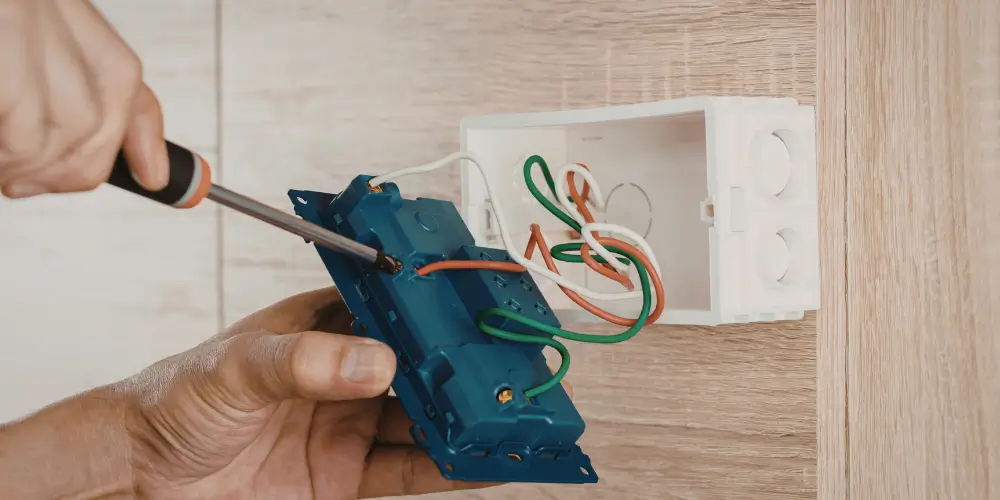
EICR Fault Codes in Older Properties: Why Vintage Wiring Fails Modern Standards
Older properties often present unique challenges when it comes to electrical safety, primarily due to vintage wiring systems that do not meet contemporary standards. These outdated systems, often comprised of rubber or fabric insulation, can degrade over time, leading to possible dangers such as short circuits and electrical fires.
The EICR (Electrical Installation Condition Report) employs specific fault codes to identify these deficiencies, highlighting issues that may compromise safety.
Common faults include insufficient earthing, inadequate circuit protection, and non-compliance with modern regulations, all of which can pose significant risks. Additionally, older properties may lack the capacity to support today’s electrical demands, leading to overloaded circuits.
Homeowners seeking to preserve the charm of vintage properties must balance aesthetic desires with the necessity for electrical upgrades, ensuring a safe living environment while maintaining the building’s historical integrity. Understanding these fault codes is essential for achieving this balance.
Frequently Asked Questions
How Often Should I Get an EICR Inspection for My Property?
Property owners should schedule an EICR inspection at least every five years, or more frequently if there are changes in occupancy, alterations, or specific concerns. Regular inspections guarantee safety and compliance with electrical regulations, promoting peace of mind.
What Qualifications Should My Electrician Have for Conducting an EICR?
An electrician conducting an EICR should possess relevant qualifications, such as a City & Guilds certification in electrical installation, Part P registration, and experience with the latest electrical safety regulations to guarantee thorough and accurate assessments.
Are EICR Fault Codes the Same for Commercial and Residential Properties?
EICR fault codes differ between commercial and residential properties, reflecting varying safety standards and operational complexities. Each type of property presents unique challenges, necessitating tailored assessments to guarantee thorough electrical safety for all occupants.
Can I Appeal an EICR Report if I Disagree With the Findings?
Yes, individuals can appeal an EICR report if they disagree with the findings. They may seek a second opinion from a qualified electrician or file a formal complaint with the reporting authority for reconsideration.
What Are the Costs Associated With EICR Inspections and Repairs?
The costs associated with EICR inspections typically range from £100 to £300, depending on property size and complexity. Repairs can vary considerably, often requiring budgets of £50 to several thousand pounds, depending on the issues identified.
Conclusion
To summarise, understanding EICR fault codes is essential for property owners, landlords, and letting agents to guarantee electrical safety and compliance within UK properties. By recognising the severity of each code C1, C2, and C3, stakeholders can make informed decisions regarding necessary repairs and improvements. Regular assessments not only increase the safety and reliability of electrical systems but also protect residents from latent risk, ultimately contributing to a safer living environment.