Understanding the meaning of EICR C2 is essential for anyone concerned about electrical safety in their property. This classification indicates a possible risk that, while not immediately dangerous, requires prompt attention. Property owners often overlook these details in their Electrical Installation Condition Reports. Knowing what a C2 code entails can be the difference between a safe environment and a looming risk. What steps should be taken once this classification appears?
Key Takeaways
- EICR C2 indicates possible dangerous electrical issues that require corrective action to prevent safety risks like shocks or fires.
- Observations leading to a C2 classification highlight moderate risks, including inadequate earthing and overloaded circuits.
- Property owners should promptly hire a qualified electrician to address C2 observations and ensure compliance with safety regulations.
- Regular reviews of the EICR and timely repairs encourage a safer living environment and reduce the risk of equipment failure.
- Understanding EICR codes increases awareness of electrical safety, encourages energetic measures, and promotes community responsibility in maintaining safe electrical systems.
Table of Contents
How Do You Know EICR C2 Meaning and Why It Matters for Safety
How can understanding the EICR C2 Meaning classification increase electrical safety awareness? The EICR C2 classification is part of the EICR fault codes which indicates a possible safety risk that requires urgent attention. By recognising this classification, individuals can take energetic steps to address electrical risk, ensuring both personal and communal safety.
Awareness of EICR C2 not only empowers property owners but also promotes a civilisation of responsibility within communities.
For those who value their freedom, understanding EICR C2 Meaning is essential. It highlights issues that, if left unaddressed, could lead to severe consequences, including electrical fires or shocks.
Understanding EICR C2 Observations in Electrical Inspection Reports
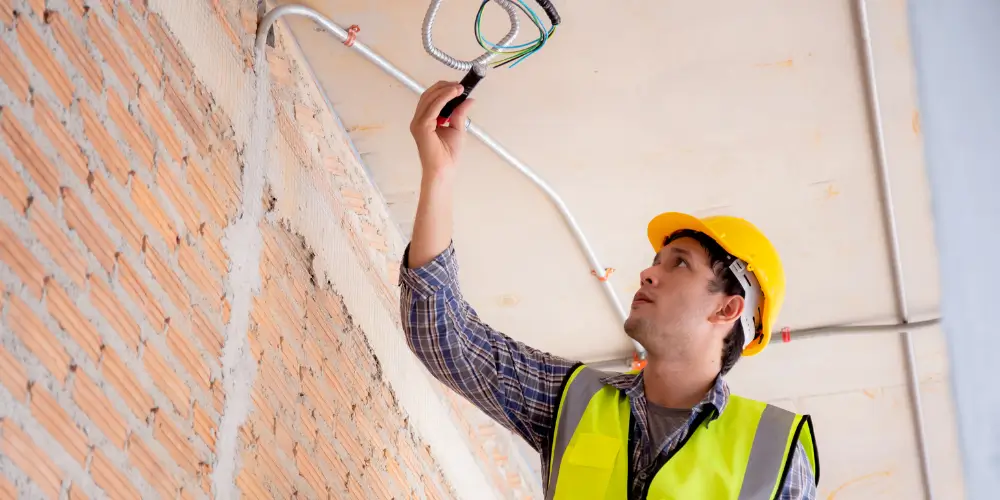
EICR C2 Meaning observations in electrical inspection reports serve as critical indicators of possible safety risk within electrical systems.
These observations highlight issues that, while not immediately dangerous, could escalate if left unaddressed. Identifying C2 observations enables property owners to take energetic steps to magnify safety and ensure compliance with electrical standards.
Such observations often include concerns such as inadequate earthing and bonding, overloaded circuits, or outdated equipment.
By understanding these factors, individuals can make informed decisions about necessary remedial actions, thereby promoting a safer living or working environment.
The significance of EICR C2 Meaning observations lies in their ability to empower individuals to prioritise electrical safety, protecting not only personal property but also the well-being of those who inhabit these spaces.
Ultimately, awareness of C2 issues encourages a civilisation of responsibility and vigilance in electrical maintenance.
What an EICR C2 Code Reveals About Potential Electrical Danger
A C2 code in an electrical inspection report signifies a possible risk that warrants attention. This classification highlights issues that may not be immediately dangerous but could become hazardous if left unaddressed. Recognising a C2 code is essential for maintaining a safe environment, as it serves as a prompt for necessary corrective action.
| Risk Level | Description | Recommended Action |
| Moderate Risk | Possible issues that could escalate | Schedule repairs promptly |
| Equipment Failure | Risk of malfunction or damage | Inspect and replace if needed |
| Shock Hazard | Unsafe conditions possible | Immediate investigation required |
| Code Violation | Non-compliance with regulations | Rectify to meet safety standards |
Understanding the implications of a C2 code empowers individuals to take energetic steps, ensuring their electrical systems remain safe and functional.
How Electricians Determine a C2 Classification During an EICR
Electricians assess various factors when determining a C2 classification during an electrical installation condition report. They begin by examining the condition of wiring and electrical components, looking for signs of wear, damage, or deterioration that may compromise safety.
Attention is paid to the installation’s compliance with current regulations and standards, ensuring that all elements function correctly and are adequately maintained.
Furthermore, electricians evaluate environmental factors surrounding the installation, such as moisture levels and possible risks. They also consider the system’s age and any previous faults or repairs.
By analysing these aspects, electricians can identify deficiencies warranting a C2 classification, indicating that improvements are necessary to mitigate possible risks.
Such thorough evaluations empower homeowners and businesses to understand their electrical safety, enabling informed decisions for a secure and liberated living environment.
Is a C2 Code an Immediate Risk? Explaining Its Safety Implications
Understanding the implications of a C2 classification and the EICR C2 meaning is essential for evaluating electrical safety risks. A C2 code indicates that improvements are necessary, though it does not signify an immediate danger. This classification suggests that while the installation may not pose an urgent threat, certain deficiencies could lead to safety issues if left unaddressed.
Key considerations regarding a C2 code include:
- Possible for electrical shock in specific conditions
- Increased risk of equipment malfunction
- Likelihood of fire risks under certain circumstances
- Requirement for timely remedial actions to guarantee safety
- Need for regular monitoring and maintenance
While a C2 classification isn’t an immediate risk, it serves as a warning. Those responsible for electrical safety should prioritise addressing these issues to maintain a safe environment, enabling individuals to pursue their freedom without the shadow of electrical risk.
How Do You Know EICR C2 Meaning Compared to C1 and C3 Codes
While traversing the landscape of Electrical Installation Condition Reports (EICR), differentiating between the C1, C2, and C3 codes is essential for comprehending the severity of electrical issues.
The C1 code signifies an immediate danger, indicating that the electrical installation presents a risk of injury or fire. In contrast, the C2 code denotes a possibly dangerous situation that requires urgent attention but does not pose an immediate threat. This classification suggests that remedial action is necessary to prevent future risk.
Finally, the C3 code indicates a situation that is not dangerous but requires improvement or maintenance. Understanding these distinctions empowers individuals to make informed decisions about electrical safety.
Awareness of the implications of each code promotes responsiveness to maintaining electrical installations, ultimately ensuring a safer living environment and reducing the risk of electrical danger.
Common Electrical Issues That Result in an EICR C2 Codes
Common problems include:
- Exposed wiring: Prone to damage and electric shock.
- Inadequate earthing: Increases risk of electric shock during faults.
- Overloaded circuits: Can cause overheating and fires.
- Faulty RCDs: Reduced effectiveness in protecting against electrical faults.
- Deteriorated insulation: Leads to short circuits and fire danger.
Each of these issues poses immediate dangers and can result in long-term complications if left unaddressed.
By understanding these common electrical faults associated with a C2 classification, individuals can take energetic measures to guarantee a afer living environment.
Awareness and timely intervention are key to maintaining electrical safety and freedom from risks.

What Property Owners Should Do After Receiving a C2 Observation
Upon receiving a C2 observation in their Electrical Installation Condition Report (EICR), property owners must take immediate action to address the identified issues. This involves prioritising safety and guaranteeing compliance with electrical regulations. The following steps are recommended:
| Step | Action |
| 1. Assess the Report | Review the EICR for specific C2 details |
| 2. Engage a Professional | Hire a qualified electrician for evaluation |
| 3. Implement Solutions | Undertake necessary repairs or upgrades |
| 4. Document Changes | Keep records of all work completed |
| 5. Schedule Follow-Up | Arrange for re-inspection to guarantee safety |
Does an EICR Fail With a C2 Code Present?
Does a C2 code in an Electrical Installation Condition Report (EICR) indicate a failure of the overall report? Not necessarily.
While a C2 code highlights a possible hazard that requires urgent attention, it does not automatically mean the installation has failed. The report may still be valid, but it signals that certain aspects need rectification to guarantee safety.
Consider the implications of a C2 code:
- Increased risk of electrical shock
- Possible fire danger due to faulty wiring
- Non-compliance with electrical safety regulations
- Impact on insurance coverage
- Urgent need for repairs or upgrades
Ultimately, a C2 code serves as an essential warning, urging property owners to act promptly.
It emphasises the importance of maintaining electrical systems to safeguard inhabitants and property, while still allowing for a degree of compliance in the overall EICR assessment.
How Understanding EICR C2 Meaning Helps You Stay Compliant
Understanding the implications of a C2 code in an EICR is essential for property owners aiming to remain compliant with safety regulations. A C2 code indicates possible danger and requires immediate attention. By understanding its meaning, property owners can take energetic measures to address issues and ensure electrical safety. This awareness not only promotes individual safety but also protects the freedom to occupy and utilise their properties without fear.
| EICR Code | Implication | Action Required |
| C1 | Immediate danger | Urgent remedial action needed |
| C2 | Possibly dangerous | Corrective action advised |
| C3 | Improvement recommended | Routine maintenance suggested |
Staying informed about EICR codes promotes compliance, ultimately contributing to a safer living environment and the freedom to enjoy one’s property without concerns.
Frequently Asked Questions
What Is the Difference Between EICR and Periodic Electrical Inspections?
EICR focuses on the condition of electrical installations and identifies possible danger . In contrast, periodic electrical inspections are broader assessments that include checks of overall system performance, compliance, and maintenance, ensuring safety and efficiency.
How Often Should an EICR Be Conducted for Residential Properties?
An EICR should typically be conducted every five years for residential properties, or upon change of ownership or tenancy. This regular assessment guarantees electrical safety and compliance, promoting peace of mind for the occupants.
Can a C2 Code Affect Home Insurance Premiums?
A C2 code can possibly impact home insurance premiums, as insurers may view it as a sign of electrical safety risks. Homeowners are advised to address such codes promptly to maintain favourable insurance terms.
What Qualifications Should an Electrician Have for EICR Inspections?
An electrician conducting EICR inspections should possess relevant qualifications, including a Level 3 Certificate in Inspection and Testing, familiarity with the IET Wiring Regulations, and ideally, experience in electrical safety assessments to guarantee thorough evaluation.
Are There Penalties for Not Addressing a C2 Observation?
Yes, penalties can arise for failing to address a C2 observation. This could include legal repercussions, increased liability, or heightened insurance costs, emphasising the importance of timely electrical safety compliance to maintain both safety and freedom.
Conclusion
To summarise, understanding the meaning of EICR C2 Meaning is essential for property owners to identify and address possible electrical safety risks. While a C2 classification indicates issues that may not pose an immediate danger, it underscores the need for corrective action to ensure a safe living environment. By consulting qualified electricians and taking energetic measures, property owners can maintain compliance with safety regulations and protect themselves and their tenants from future electrical risks.