In the domain of commercial spaces, Effective Fire Risk Strategies cannot be overstated. Businesses face unique fire-safety challenges that can have dire consequences if not addressed. Regular assessments and tailored response plans are fundamental. Yet many still underestimate the potential danger lurking on their premises. Understanding these risks is the first step in safeguarding lives and property. What measures can be taken to guarantee compliance and increase safety?
Key Takeaways
- Conduct regular fire risk assessments to identify danger and implement necessary safety measures in commercial spaces.
- Provide comprehensive training for employees on fire safety protocols and evacuation procedures to increase preparedness.
- Install and maintain smoke detectors, fire alarms, and sprinkler systems for early detection and response to possible fires.
- Ensure clear and unobstructed emergency exits with visible signage to facilitate swift evacuation during emergencies.
- Use fire-resistant materials and maintain equipment to minimise fire spread and reduce risks in the workplace.
Table of Contents
Effective Fire Risk Strategies for Commercial Spaces Explained Simply
Although fire risks can pose significant challenges for commercial spaces, implementing effective strategies can mitigate these dangers. Businesses can increase safety by conducting regular fire risk assessments, identifying possible risks, and addressing them promptly.
Employee training is essential; staff should be well-versed in fire safety protocols and evacuation procedures. Installing smoke detectors, fire alarms, and sprinkler systems can provide early warnings and suppress fires before they escalate.
Additionally, maintaining clear emergency exits and ensuring they are unobstructed at all times empowers occupants to evacuate swiftly. Establishing a fire response plan tailored to specific business needs promotes habits of preparedness.
Regularly scheduled drills reinforce knowledge and confidence among employees, enhancing overall safety. By prioritising these strategies, commercial spaces can embrace a response to fire safety, allowing them the freedom to operate without the looming threat of fire risks.
Understanding Fire Risks in Commercial Buildings and Their Severity
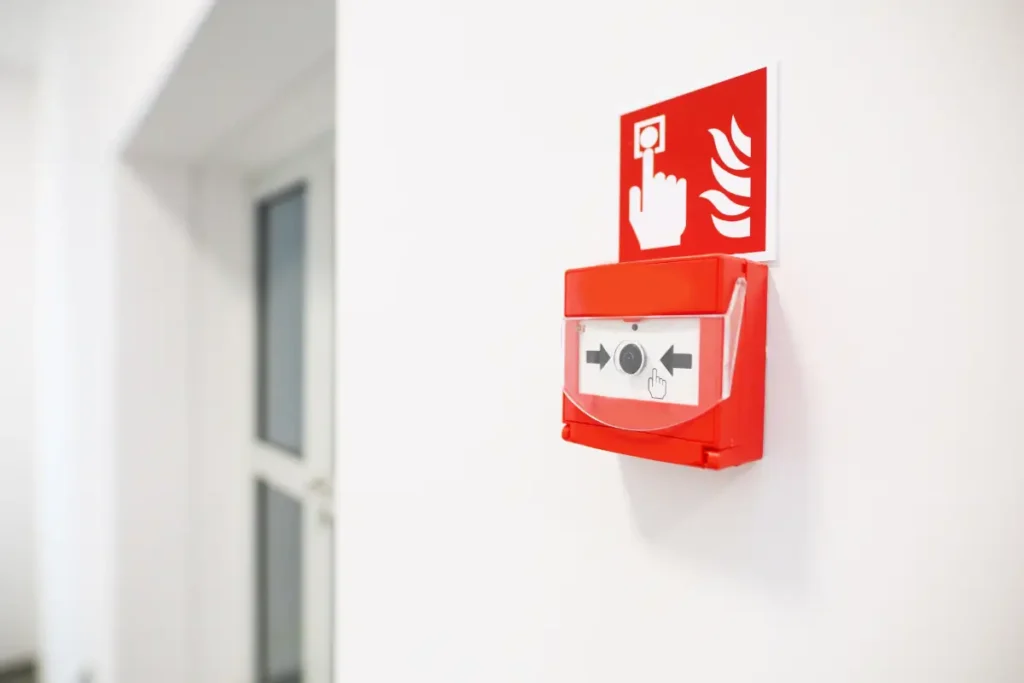
Fire risks in commercial buildings pose serious threats that can have devastating consequences for both occupants and business operations. Understanding the various factors that contribute to these risks is essential for encouraging a safe environment. The severity of fire risks can be classified based on their possible impact and likelihood of occurrence.
| Risk Factor | Impact Level | Likelihood |
| Electrical Failures | High | Moderate |
| Flammable Materials | High | High |
| Poor Maintenance | Moderate | High |
| Human Error | Moderate | Moderate |
Awareness of these factors empowers businesses to implement energetic strategies. By recognising the severity of fire risks, organisations can prioritise safety measures and create a habit of preparedness. This energetic stance not only protects lives but also safeguards the integrity of business operations, ensuring freedom and continuity in the face of possible threats.
Common Fire Hazards Found in Offices, Shops, and Industrial Units
Identifying common fire danger in offices, shops, and industrial units is essential in the effort to mitigate risks highlighted previously. In these environments, overloaded electrical outlets frequently pose a significant threat, often resulting from excessive use of power strips for multiple devices.
Additionally, flammable materials, such as paper products, cleaning supplies, and packaging, can accumulate and ignite if not managed properly. Poorly maintained heating equipment, including space heaters and boilers, also contributes to fire risks, especially when obstructed or improperly ventilated.
In industrial units, the presence of chemicals and hazardous substances can amplify dangers if not stored correctly. Moreover, inadequate escape routes and improperly marked exits hinder evacuation efforts during emergencies.
Legal Responsibilities Businesses Face Under Fire Safety Laws
While ensuring a safe environment is essential, businesses must also navigate the complex landscape of fire safety laws that impose specific legal responsibilities.
These laws vary by jurisdiction but generally require businesses to conduct fire risk assessments, maintain fire safety equipment, and implement evacuation plans. Employers are obligated to train staff in fire safety protocols, ensuring everyone knows their roles in an emergency.
Failure to comply with these regulations can result in severe penalties, including fines and possible liability for injuries or damages caused by fire incidents.
Additionally, businesses must keep documentation of safety measures and inspections to demonstrate compliance. This response not only protects employees and customers but also safeguards the business’s reputation and financial well-being.
Ultimately, understanding and fulfilling these legal responsibilities is an essential aspect ofencouraginge a habit of safety and freedom within commercial spaces.
How Poor Fire Risk Planning Can Impact Business Operations
Inadequate fire risk planning can have significant repercussions for business operations. Companies that neglect proper fire safety measures expose themselves to various risks that can hinder productivity and even result in financial loss.
- Increased Liability: Poor planning can lead to legal actions from employees or clients affected by fire danger.
- Operational Downtime: A fire incident can halt operations, causing delays and loss of revenue.
- Damage to Assets: Insufficient precautions can result in severe damage to equipment and property, requiring costly repairs or replacements.
- Negative Reputation: Businesses may suffer reputational harm, leading to decreased customer trust and lower sales.
Ultimately, the lack of effective fire risk planning not only jeopardises safety but also threatens the very foundation of a business’s operations, limiting its potential for growth and success.
Practical Fire Risk Control Measures That Actually Work
Effective fire risk control measures are essential for safeguarding commercial spaces and guaranteeing business continuity. Businesses must adopt practical strategies to mitigate fire danger and protect their assets. These measures not only increase safety but also empower organisations to operate without fear.
| Control Measure | Description |
| Regular Fire Drills | Conducting drills guarantees staff readiness and awareness. |
| Fire Safety Equipment Checks | Regular inspections of extinguishers and alarms keep systems functional. |
| Clear Emergency Exits | Marking and maintaining unobstructed exits facilitates quick evacuations. |
Comparing Fire Risk Approaches Across Different Commercial Settings
As businesses operate within diverse environments, their fire risk method must be tailored to address specific challenges and requirements. Different commercial settings offer unique risks that necessitate distinct strategies.
- Retail Spaces: High foot traffic and combustible materials require strong evacuation plans and sprinkler systems.
- Industrial Facilities: Hazardous materials mandate strict compliance with fire codes and regular training for employees on emergency procedures.
- Offices: Open layouts may hinder evacuation; therefore, clear signage and drills are essential to guarantee safety.
- Hospitality Venues: Guest safety is paramount, necessitating frequent fire safety training for staff and thorough emergency plans.
How Regular Fire Risk Assessments Reduce Long-Term Damage
Regular fire risk assessments play an essential role in Effective Fire Risk Strategies for commercial spaces by reducing possible danger across various commercial environments. These assessments not only identify risks but also implement strategies that safeguard lives and properties. By actively addressing fire risks, businesses can greatly reduce the long-term damage caused by fire incidents, ultimately ensuring freedom from the constraints of recovery and loss.
| Risk Factor | Possible Damage | Long-Term Impact |
| Unchecked wiring | Property destruction | Business closure |
| Flammable materials | Injury or loss of life | Legal repercussions |
| Inadequate exits | Increased panic | Reputation damage |
| Neglected equipment | Higher repair costs | Financial instability |
| Poor training | Ineffective response | Employee turnover |
Such assessments empower businesses to remain resilient and agile, and encourage an environment where freedom and security coexist harmoniously.

Cost-Effective Fire Safety Improvements for Commercial Properties
Investing in cost-effective fire safety improvements is essential for commercial properties aiming to increase their overall safety without straining their budgets. Businesses can implement various strategies that not only protect their assets but also empower a habit of safety among employees. Here are four impactful improvements:
- Regular Maintenance of Fire Equipment: Confirming fire extinguishers, alarms, and sprinkler systems are operational can prevent costly failures during emergencies.
- Employee Training Programs: Educating staff on fire safety protocols ppromotes anenergetic environment that prioritises safety.
- Fire-Resistant Materials: Utilising fire-retardant paint and building materials can greatly reduce fire spread, offering an added layer of protection.
- Clear Exit Pathways: Maintaining unobstructed exits and visible signage confirms swift evacuation during emergencies, enhancing overall safety.
Choosing the Right Fire Risk Strategy Based on Building Use
Selecting an appropriate fire risk strategy is essential for commercial spaces, as the specific use of a building greatly influences its fire safety needs. For instance, a manufacturing facility housing flammable materials requires distinct measures compared to an office environment where the primary risk may be electrical fires.
Retail spaces, often bustling with customers, demand strategies that prioritise quick evacuation and accessible fire suppression systems.
Understanding the nature of operations allows businesses to tailor their fire safety protocols effectively. High-occupancy venues may benefit from advanced detection systems and regular emergency drills, while warehouses might focus on fire-resistant construction materials and thorough training on handling hazardous substances.
Ultimately, aligning fire risk strategies with building use not only increases safety but also promotes a habit of awareness. This response empowers businesses to protect their assets and guarantee the well-being of employees and customers alike.
Frequently Asked Questions
What Are the Most Common Causes of Workplace Fires?
Common causes of workplace fires include electrical malfunctions, cooking accidents, improper storage of flammable materials, human error, and equipment failures. Awareness and preventive measures can greatly reduce these risks in various business environments.
How Can Employees Be Trained for Fire Emergencies?
Employees can be trained for fire emergencies through regular drills, clear evacuation plans, and education on fire prevention. Engaging training sessions promote awareness, ensuring each individual understands their role and responsibilities during a crisis.
What Is the Role of Fire Marshals in Commercial Spaces?
Fire marshals in commercial spaces oversee safety protocols, conduct regular inspections, and guarantee compliance with fire regulations. They serve as key communicators during emergencies, guiding employees and coordinating evacuation efforts to promote a safe environment.
How Often Should Fire Drills Be Conducted in Businesses?
Fire drills should be conducted at least twice a year in businesses, ensuring employees remain familiar with evacuation procedures. Regular practice promotes safety awareness and preparedness, encourages habits of responsibility and freedom from possible fire danger.
What Equipment Is Essential for Fire Suppression in Commercial Properties?
Essential fire suppression equipment for commercial properties includes fire extinguishers, sprinkler systems, fire blankets, and standpipe systems. Each plays an essential role in ensuring safety and minimising damage during unforeseen fire incidents, promoting a secure environment.
Conclusion
In summary, implementing Effective Fire Risk Strategies for Commercial Spaces is essential for the safety and sustainability of commercial spaces. By conducting regular assessments, training employees, and adhering to legal requirements, businesses can greatly reduce fire danger and guarantee swift responses during emergencies. Tailoring fire safety measures to specific building types further increases protection. Ultimately, a response to fire risk management not only safeguards lives but also protects valuable assets and maintains operational continuity in the face of possible threats.