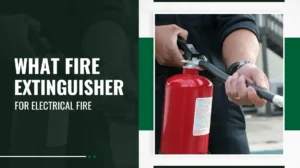
For an electrical fire, a Class C–rated fire extinguisher is recommended because it is designed for use on energised equipment. Common options include CO₂ extinguishers, which leave no residue and are suitable for electronics, and dry chemical ABC units, which work well when the fuel source is uncertain. Water should be avoided since it can conduct electricity and worsen arcing. If safe, power should be shut off at the breaker first. Additional guidance covers safe use and prevention of What Fire Extinguisher for Electrical Fire.
Key Takeaways
- Use a Class C-rated extinguisher on energised electrical equipment to avoid electrical contact and reduce the risk of shock.
- CO₂ extinguishers work well on electrical fires, displacing oxygen and leaving no residue on electronics.
- ABC dry chemical extinguishers are a reliable choice when the fire’s fuel source is uncertain, and a quick knockdown is needed.
- Clean agent extinguishers are nonconductive and residue-free, making them ideal for sensitive electrical rooms and servers.
- Avoid water; cut power at the breaker if safe, then aim at the base of flames and keep a clear exit route.
Table of Contents
Understanding Electrical Fire Hazards
Electricity, an invisible force, can turn minor equipment faults into fast-moving fires when damaged wiring, overloaded circuits, or failing appliances generate heat and ignite nearby insulation or combustibles. Unlike many flames, electrical fires may start inside walls, panels, or devices, smouldering until oxygen or movement ignites them. Live current can keep feeding heat, so a small mistake can escalate into a dangerous, self-sustaining event.
Common dangers include loose connections that arc, extension cords used as permanent wiring, power strips daisy-chained, and motors that overheat under load. Warning signs often appear first: flickering lights, warm outlets, tripped breakers, buzzing, scorched covers, or a sharp burning odour.
Water or conductive tools can invite shock, so distance and isolation matter. Cutting power at the breaker, maintaining clear access to panels, and keeping combustibles away from energised equipment preserve choice and control when seconds count. These steps should form part of a wider approach to fire and safety regulations for UK properties to ensure full compliance and protection.
What Types of Fire Extinguishers Are Best for Electrical Fires?
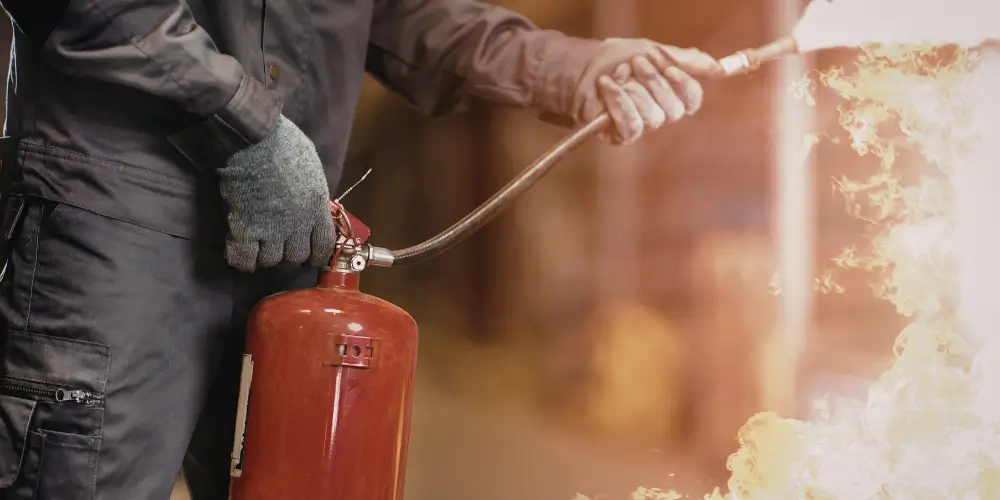
A spark in a panel or appliance calls for an extinguisher that can interrupt heat without conducting current. The go-to choice is a Class C–rated extinguisher, designed for energised electrical equipment. Many units carry multi-class labels (such as ABC), providing broader coverage while still meeting the needs of What Fire Extinguisher for Electrical Fire.
- CO₂ (Class C): Displaces oxygen and cools with minimal residue, ideal for electronics and control cabinets where cleanup matters.
- Dry chemical ABC (Class C rated): Fast knockdown and widely available; effective when the exact fuel source is uncertain or spreading beyond wiring.
- Clean agent (Class C): Nonconductive and residue-free, favoured in server rooms, boats, and workshops that value uptime and autonomy.
Placement and readiness protect freedom: keep an extinguisher within easy reach, choose a size that can be carried one-handed, and regularly verify the pressure gauge and inspection date.
Why Not to Use Water for Electrical Fires
Class C–rated extinguishers work because they smother or interrupt the fire without turning the suppression method into a hazard.
Water does the opposite around energised equipment: it conducts electricity, turning a simple response into an electrocution risk. Even a small stream can provide a path to ground through the person holding the hose, especially on wet floors or metal surfaces. Water also tends to spread the problem. It can splash burning material, push flaming debris into new areas, and knock over equipment, exposing more live parts.
In panels and outlets, water can bridge contacts and trigger arcing, making the fire more violent and harder to control. Afterwards, trapped moisture promotes corrosion and short circuits, inviting repeat failures when power is restored. A freedom-minded method favours methods that control the fire without surrendering personal safety to avoidable electrical danger.
The Advantages of CO2 Fire Extinguishers for Electrical Fires
Clean, inert gas gives CO2 extinguishers a clear edge over energised equipment. By displacing oxygen and cooling the flame zone, CO2 can stop many electrical fires without increasing conductivity, allowing people to act decisively while power is still live.
It also leaves no residue, so control panels, motors, and server racks avoid the messy cleanup that can keep operations locked down for hours.
CO2’s advantages are most visible where uptime and personal autonomy matter:
- Nonconductive discharge helps reduce the risk of shock compared with water-based agents.
- Residue-free suppression protects sensitive electronics and restores service faster.
- Rapid knockdown in enclosed areas can limit spread, buying time to isolate power and evacuate.
CO2 extinguishers are well-suited for workshops, electrical rooms, and vehicle bays. Users should still ventilate after discharge and avoid aiming at people, since high concentrations can displace breathable air quickly.
Class D Extinguishers: Essential for Metal Fires
Sparks from burning magnesium or titanium can turn a routine electrical-room incident into a high-temperature metal fire that water, foam, and CO2 may worsen. When metal housings, shavings, or lightweight alloys ignite near energised equipment, the priority shifts from “electrical fire” to “combustible metal fire,” where conventional agents can react violently, spread molten material, or intensify heat.
Class D extinguishers are built for this niche threat. Their dry-powder agents, such as sodium chloride, graphite, or a copper-based blend, smother the metal, absorb heat, and form a crust that isolates oxygen. Because different metals burn differently, the correct Class D agent matters; one formulation may control magnesium while another is intended for lithium or titanium.
Facilities that machine, store, or service metal components in electrical areas gain independence by staging the right Class D unit, clearly labelled, and keeping incompatible extinguishers from becoming a liability.
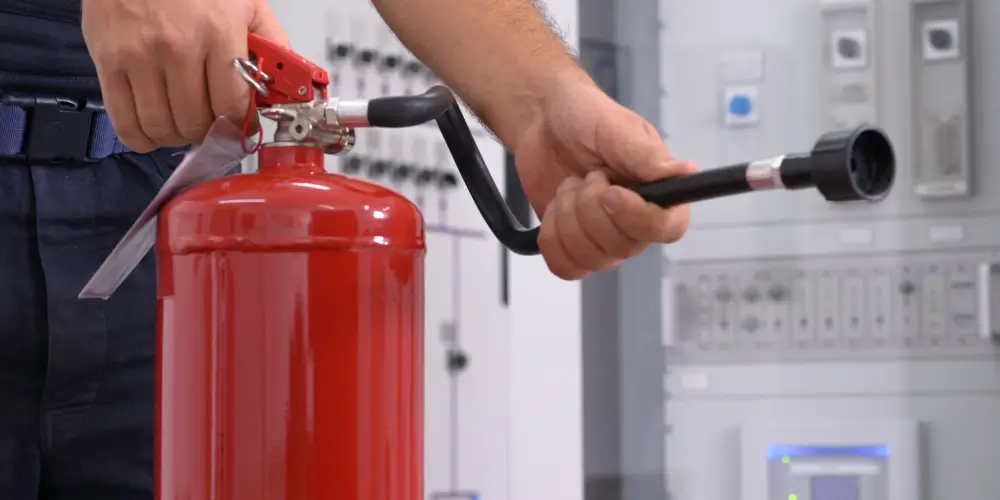
How to Use Fire Extinguishers Safely on Electrical Fires?
Once the correct extinguisher type is identified, especially when combustible metals may be present, the next priority is to use it without exposing anyone to shock, toxic smoke, or agent blowback in case of What Fire Extinguisher for Electrical Fire. The safest way respects personal autonomy: act only when there is a clear exit, a small fire, and confidence in the tool.
- Cut power if possible: shut off the breaker or unplug equipment before discharge; it reduces re-ignition and shock risk without delaying escape.
- Keep distance and aim low: stand back, stay upwind, and sweep the agent at the base of the flames; avoid spraying into energised panels where arc flash is possible.
- Know when to walk away: if flames spread, smoke thickens, or the extinguisher empties, disengage, close doors, evacuate, and call emergency services.
After discharge, watch for flare-ups and avoid touching equipment until qualified personnel declare it safe.
Essential Tips for Preventing Electrical Fires in Your Space
Many electrical fires are preventable when a space is designed, used, and maintained with basic electrical safety in mind. Circuits should be sized for real loads, with modern breakers, AFCI/GFCI protection where required, and grounded outlets. Extension cords are temporary tools, not permanent wiring; overloading power strips or daisy-chaining adapters invites heat and failure.
Freedom at home or work depends on disciplined habits: keep cords clear of rugs and doorways, replace cracked insulation, and unplug high-wattage devices when not in use. Appliances should have clearance for ventilation, and dusty motors, dryers, and panels should be cleaned to prevent ignition. Water and electricity should be separated in kitchens, baths, and garages.
Any flickering lights, buzzing outlets, warm plates, or tripping breakers signal a problem that warrants immediate shutdown and a qualified electrician. Regular inspections protect independence and property.
Frequently Asked Questions
Do Electrical Fires Require Extinguisher Inspection Records for Workplace Compliance?
Yes, workplaces typically must keep records of extinguisher inspections and maintenance to satisfy safety regulators and insurers, though requirements vary by jurisdiction. Maintaining logs protects employees’ choice to work confidently, and helps avoid penalties during audits.
How Often Should CO2 Extinguishers Be Serviced and Hydrostatically Tested?
CO2 extinguishers should be visually inspected monthly, professionally serviced annually, and hydrostatically tested every five years in many jurisdictions. Local codes may vary; users should check applicable standards while keeping records to safeguard autonomy and safety.
Can I Store a Fire Extinguisher in a Car, Garage, or Unheated Shed?
Yes, it can be stored in a car, a garage, or an unheated shed if it is rated for the expected temperatures. It should be mounted securely, kept accessible, checked often, and protected from freezing, heat, and corrosion.
What Size Extinguisher Is Recommended for Server Rooms or Data Centres?
Server rooms typically use 10–20 lb clean-agent or CO₂ extinguishers, with at least one per 2,000–3,000 sq ft and near exits. Larger data centres add wheeled units, per hazard assessment and codes.
Are Expired or Recalled Fire Extinguishers Safe to Keep or Use?
Expired or recalled fire extinguishers are not safe to keep or use; they may fail or rupture. They should be replaced or serviced promptly and disposed of in accordance with manufacturer and local rules, protecting choice, property, and life.
Conclusion
Electrical fires require fast, informed action and the correct extinguisher selection. CO2 and dry chemical (Class ABC) extinguishers are typically most suitable for energised electrical equipment, while water must be avoided due to shock and spread risks. In specialised settings, Class D units remain critical for combustible metal risk. Safe use depends on maintaining distance, aiming at the base, and de-energising power when possible. Prevention through inspections, load management, and maintenance reduces risk for What Fire Extinguisher for Electrical Fire.