Replacing a consumer unit in the UK involves various costs and factors that homeowners need to consider when asking, “How Much Does It Cost to Replace a consumer unit?” The typical price range is £300 to £800, depending on the unit type and installation complexity. Homeowners should also be aware of potential additional expenses for wiring upgrades and safety compliance. Understanding these elements can help in making informed decisions about upgrading electrical systems. However, the implications of these upgrades extend beyond mere costs.
Key Takeaways
- Replacement costs for a consumer unit in the UK typically range from £300 to £800, depending on complexity and materials used.
- Labour costs vary based on the electrician’s experience and local rates, which influence the total cost of the upgrade.
- Compliance with safety regulations may incur additional costs, particularly in older homes with outdated wiring systems.
- Investing in an upgraded consumer unit increases safety and can increase property value, making it a worthwhile long-term investment.
- Homeowners should obtain multiple quotes to ensure fair pricing and understand the specific requirements for their property upgrades.
Table of Contents
The True Cost of Upgrading an Electrical Fuse Board in the UK
When considering upgrading an electrical fuse board, homeowners in the UK often face a range of costs that can vary considerably depending on several factors. The average price to replace an electrical fuse board is typically between £300 and £600, though this can vary. Key influences include the type of consumer unit selected, the installation complexity, and the specific requirements of the home’s electrical system.
Additional expenses may arise from necessary wiring upgrades or from compliance with current regulations. Homeowners should also account for labour costs, which can differ depending on the electrician’s experience and location. It is crucial to obtain multiple quotes and assess the qualifications of the chosen professionals to ensure a fair price and high-quality work. By understanding these variables, homeowners can make informed decisions regarding their electrical upgrades, aligning costs with their budget and safety needs.
What Drives the Price of a Full Consumer Unit Upgrade
Several factors drive the price of a full consumer unit upgrade, influencing the overall cost for homeowners. Understanding these elements can help in making informed decisions when upgrading electrical systems.
- Type of Consumer Unit: The choice between a basic unit and an advanced unit significantly affects pricing.
- Installation Complexity: The complexity of the installation, including existing wiring conditions, can increase labour costs.
- Local Labourer Rates: Variations in local electrician rates also play an essential role in determining the overall expense.
- Certification and Compliance: Ensuring the unit meets current regulations may involve additional costs for certification and inspections.
When combined, these factors can lead to a wide range of prices, making it essential for homeowners to obtain multiple quotes and evaluate their options thoroughly.
Typical Price Ranges for Modern Electrical Board Replacements
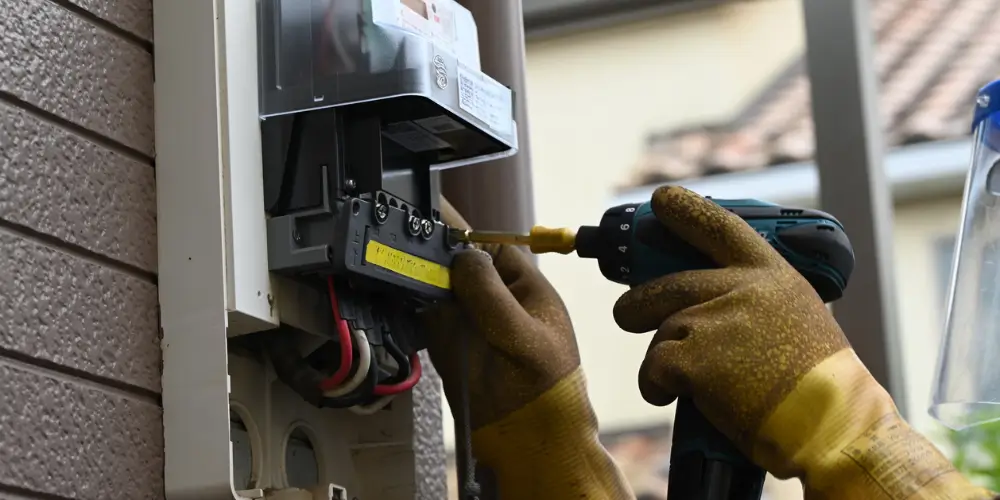
Typical price ranges for modern electrical board replacements can vary considerably based on several factors, including the type of unit and installation specifics.
Generally, homeowners can expect to pay between £300 and £800 for a straightforward replacement. This range often covers the cost of the consumer unit itself, which can vary by brand and features, as well as labour charges for the electrician’s services. For basic models, prices might start around £300, while advanced units with additional safety features, such as residual current devices (RCDs), can push costs closer to £800. Installation complexity also plays a essential role; if extensive rewiring is necessary, the total expenditure may increase greatly.
Homeowners should prioritise obtaining multiple quotes from qualified electricians to ensure they receive a fair price based on their specific requirements and current market rates.
Why Older Properties Cost More to Bring Electrical Boards Up to Standard
Although older properties often possess unique charm and character, they frequently come with outdated electrical systems that require significant investment to bring up to modern safety standards. This challenge is compounded by several factors that contribute to higher costs for homeowners.
- Complex Wiring Systems: Older homes may have convoluted wiring that complicates installation and upgrades.
- Material Compatibility: The need to source compatible materials for older infrastructure can increase expenses.
- Regulatory Compliance: Adhering to contemporary safety regulations may necessitate extensive modifications.
- Limited Access: Difficulties in accessing existing wiring and panels can prolong the installation process.
These factors collectively elevate the cost of updating electrical boards in older properties, making it essential for homeowners to budget accordingly. Understanding these challenges can aid in informed decision-making when considering necessary electrical upgrades.
Labour, Materials, and Testing Costs Explained Clearly
Understanding the costs associated with replacing a consumer unit involves three primary components: labour, materials, and testing. Labour costs typically account for a significant portion of the overall expense, as skilled electricians charge hourly rates that can vary based on experience and location in the UK.
Material costs include the consumer unit itself, circuit breakers, and wiring, which can differ in quality and price. Homeowners should expect to pay more for high-quality components that meet modern safety standards. Testing costs are essential for ensuring the installation complies with regulations and operates safely. Electricians often conduct several tests, including continuity and insulation resistance, to verify the system’s integrity.
How UK Wiring Rules Influence Electrical Upgrade Prices
UK wiring rules, governed by the IET Wiring Regulations (BS 7671), play an essential role in determining the costs associated with electrical upgrades. Compliance with these regulations guarantees safety and functionality, but it can also impact the overall price of an upgrade.
Factors influenced by UK wiring rules include:
- Material Standards: Higher-grade materials may be required to meet safety regulations.
- Installation Complexity: Adhering to regulations may necessitate more intricate installation methods.
- Testing Requirements: Thorough testing is mandated to ensure compliance, which adds to costs.
- Local Authority Regulations: Variances in local regulations may impose additional costs for permits or inspections.
Understanding these influences helps homeowners anticipate the financial implications of electrical upgrades. Consequently, guaranteeing compliance with UK wiring rules is not only a matter of safety but also a significant factor in budgeting for electrical work.
Hidden Extras That Can Increase the Final Electrical Upgrade Bill
When planning an electrical upgrade, unexpected costs can arise that may not be immediately apparent. Homeowners should be aware of several hidden extras that can greatly increase the final bill. For instance, additional wiring may be required if existing circuits are outdated or insufficient for new demands. The condition of the existing electrical infrastructure can also lead to unforeseen expenses; damaged wiring or outdated components may require replacement.
Moreover, the need for supplementary work, such as installing RCDs (Residual Current Devices) or surge protection, can add to costs. Accessibility issues may require extra labour time and materials, particularly in older homes where access to wiring can be challenging. Finally, local building regulations may impose additional requirements that could influence the overall expense. Understanding these potential hidden costs helps homeowners prepare for the financial implications of an electrical upgrade.
Upgrading an Electrical Board vs Repairing an Outdated System
While some homeowners may consider repairing an outdated electrical system a cost-effective solution when thinking about How Much to Replace a Consumer Unit, upgrading the electrical panel is often a more beneficial long term investment. An upgraded system increases safety, improves efficiency, and accommodates modern electrical demands, ultimately saving homeowners from frequent repairs and potential danger.
Key considerations include:
- Safety: New boards comply with current regulations, reducing fire risks.
- Efficiency: Upgraded systems can handle higher loads, reducing energy costs.
- Longevity: Investing in a new board guarantees a longer lifespan than patching an old system.
- Property Value: Modern upgrades can increase the property’s market appeal and value.

When an Electrical Upgrade Becomes a Legal Safety Requirement
Upgrading an electrical system not only serves as a proactive measure for homeowners but is often a legal requirement to ensure safety. In the UK, certain conditions necessitate an upgrade, particularly when property renovations or changes in electrical load occur. For instance, homes with outdated consumer units lacking RCD protection may be required to update their systems to comply with the latest electrical safety regulations.
Additionally, landlords are obligated to meet specific safety standards, often prompting questions about How Much to replace a Consumer Unit, to confirm that all electrical installations are safe and up to code. Failure to comply with these legal requirements can result in severe penalties and increased liability in the event of an electrical incident. It is essential for homeowners to understand the regulations governing electrical systems, as compliance not only confirms safety but also protects their investment and well-being. Regular assessments by qualified electricians can help identify when an upgrade is necessary.
Is an Electrical Board Upgrade Worth the Money Long Term
Is investing in an electrical board upgrade truly justified for long-term benefits? Homeowners often grapple with this decision, yet various factors support the notion that an upgrade can be a wise investment.
- Increased Safety: Newer boards reduce the risk of electrical fires and hazards.
- Increased Capacity: Upgraded boards can handle modern electrical loads, accommodating advanced appliances and technology.
- Higher Property Value: An updated consumer unit can increase a home’s marketability and appeal to prospective buyers.
- Compliance with Regulations: Guarantees adherence to current electrical safety standards, preventing potential legal issues.
Ultimately, while the initial cost may seem intimidating, the long-term advantages ranging from safety and efficiency to increased property value suggest that an electrical board upgrade is indeed worth the expense. Investing in this essential aspect of home infrastructure can yield significant returns over time.
Frequently Asked Questions
How Long Does a Consumer Unit Replacement Typically Take?
A consumer unit replacement typically takes 2 to 4 hours, depending on the installation complexity and the existing electrical infrastructure. Factors such as accessibility and necessary upgrades can influence the overall time required.
Can I Upgrade My Consumer Unit Myself?
Upgrading a consumer unit is not advisable for those without electrical expertise. It requires adherence to safety regulations and compliance with local codes, making professional installation essential to ensure the electrical system’s safety and functionality.
Will My Insurance Cover the Cost of Upgrades?
Insurance coverage for upgrades often depends on the policy. Homeowners should review their insurance documents or consult their provider to determine whether costs related to consumer unit upgrades are covered.
What Are the Signs That I Need a New Consumer Unit?
Signs that a new consumer unit is needed include frequent circuit breaker trips, scorch marks, outdated fuse boxes, a lack of RCD protection, and a unit older than 20 years, all of which indicate potential safety risk and inefficiencies.
Are There Any Grants Available for Upgrading Electrical Systems?
There are various grants and funding options available for upgrading electrical systems, often provided by local authorities or energy efficiency programs. Homeowners should research eligibility criteria and application processes to access these financial resources effectively.
Conclusion
In summary, replacing a consumer unit in the UK involves various costs and considerations that homeowners should carefully evaluate when assessing How Much to Replace a Consumer Unit. While the initial expense may seem significant, the long-term benefits of increased safety and compliance, along with potential increases in property value, make it a worthwhile investment. By obtaining multiple quotes, budgeting for hidden costs, and understanding the factors that influence pricing, homeowners can make informed decisions that ensure their electrical systems are both safe and efficient for years to come.