EICR fuse box requirements are critical for ensuring electrical safety in UK properties. Property owners must be aware of the required standards and legal obligations associated with fuse box inspections. Accessibility, proper labelling, and the presence of Residual Current Devices (RCDs) are just a few factors to consider. Understanding these elements can significantly influence safety ratings and compliance. What other aspects should property owners focus on to avoid future pitfalls?
Key Takeaways
- EICR assessments ensure that fuse boxes comply with current safety regulations, helping prevent danger and legal issues for property owners.
- Proper labelling of circuits in fuse boxes is essential for effective identification and management during inspections.
- RCDs are vital for safety; their presence in fuse boxes reduces the risk of electric shocks and electrical fires.
- Property owners must maintain fuse boxes in good condition and address any issues identified during EICR inspections.
- Regular inspections are legally required for landlords and businesses to ensure compliance with electrical safety standards.
Table of Contents
EICR Fuse Box Requirements Explained for UK Property Owners
While ensuring electrical safety is paramount for any property owner, understanding the EICR (Electrical Installation Condition Report) requirements for fuse boxes is essential in the UK.
An EICR assesses the safety and condition of electrical installations, including the fuse box, which serves as the central hub for a property’s electrical system. Further visit “EICR test checklist” to know more about safety of electrical system.
Property owners must ensure their fuse boxes comply with the latest regulations, including proper labelling of circuits and an adequate layout to prevent overloads.
Additionally, the fuse box should be easily accessible for inspection and maintenance.
Any signs of damage, outdated components, or non-compliance can lead to latent risk and legal complications.
By adhering to EICR fuse box requirements, property owners not only protect their investments but also increase the safety and well-being of their occupants.
This knowledge empowers them to make informed choices about their electrical systems, encouraging a sense of freedom and autonomy.
What Inspectors Look for When Assessing Fuse Boxes Under EICR Standards
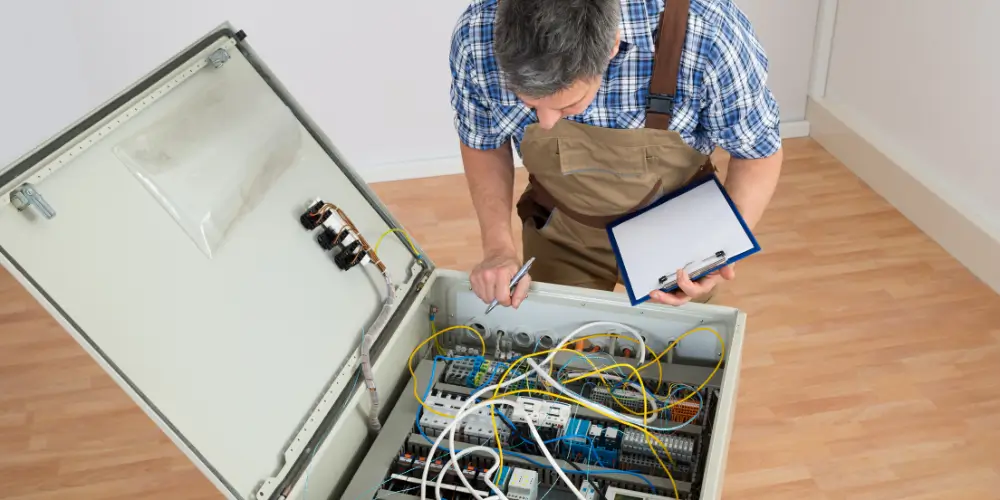
When evaluating fuse boxes under EICR standards, inspectors focus on several vital factors to guarantee compliance and safety.
They begin by checking the overall condition of the fuse box, ensuring it is free of corrosion, damage, or signs of overheating. Proper labelling of circuits is essential, as it helps identify and manage electrical systems effectively.
Inspectors also assess the integrity of the wiring, confirming compliance with current regulations and standards. The presence of appropriate RCDs (Residual Current Devices) is vital for preventing electric shocks.
Additionally, they examine the earthing and bonding arrangements to ensure that all parts of the electrical system are correctly grounded.
Finally, inspectors look for any outdated components or non-compliant installations, as these can pose significant safety risks.
Legal Responsibilities Surrounding Fuse Boxes in an EICR Inspection
Property owners have specific legal responsibilities regarding fuse boxes during EICR inspections. These obligations guarantee that electrical systems are safe, reliable, and compliant with current regulations.
Property owners must ensure their fuse boxes are accessible for inspection, enabling qualified electricians to conduct thorough evaluations. This accessibility not only facilitates the inspection process but also demonstrates a commitment to safety.
Additionally, property owners are responsible for maintaining their fuse boxes in good working condition. This includes addressing any issues identified during prior inspections and guaranteeing necessary upgrades are completed.
Failure to meet these legal responsibilities can lead to penalties, including fines or legal action, as well as increased risks to tenant safety.
Ultimately, understanding these responsibilities empowers property owners to take energetic measures and promote an environment where electrical safety is prioritised and valued, thereby reducing the risk associated with outdated or defective systems.
How Outdated Fuse Boxes Impact EICR Compliance and Safety Ratings
Outdated fuse boxes can greatly hinder EICR compliance and negatively affect safety ratings, as they often fail to meet modern electrical standards. Many older systems lack essential safety features, such as residual-current devices (RCDs), which protect against electric shocks and fire risk. This absence can result in a lower safety rating during inspections, creating latent liabilities for property owners.
Furthermore, outdated fuse boxes may not support the electrical demands of contemporary living, leading to overloading and increased risk of electrical faults. Such deficiencies can impede the ability to pass an EICR, thereby limiting the freedom to use and occupy property.
Property owners seeking to maintain the highest safety standards should prioritise upgrading their fuse boxes to align with current regulations. By doing so, they not only increase compliance but also promote a safer living environment.
Ultimately, outlay in modern systems can safeguard both property and occupants.
Consumer Units vs Old Fuse Boxes: Meeting Modern EICR Requirements
Modern consumer units markedly differ from old fuse boxes, particularly in their ability to meet current EICR requirements.
These advanced units incorporate safety features, such as residual-current devices (RCDs) and miniature circuit breakers (MCBs), that magnify protection against electrical faults. In contrast, older fuse boxes often lack these essential safety measures, increasing the risk of electrical shock.
As property owners seek to guarantee compliance and safety, the shift from outdated systems to modern consumer units becomes vital.
The updated designs not only fulfil regulatory obligations but also empower homeowners to enjoy the freedom of reliable electrical systems. This change represents a commitment to safety and efficiency, allowing individuals to live without the constant worry of electrical failures.
Common Fuse Box Defects That Cause EICR Failures
While many homeowners may overlook the condition of their fuse boxes, several common defects can lead to EICR failures or unsatisfactory and compromise electrical safety.
One prevalent issue is outdated wiring, which can degrade over time, increasing the risk of short circuits. Additionally, loose connections in the fuse box can cause overheating, increasing the risk of a latent fire.
Corrosion on terminals is another defect that can disrupt electrical flow, posing safety risks and potentially breaching the EICR fuse box requirements. Moreover, insufficient labelling of circuits can lead to confusion during emergencies, resulting in improper handling.
Some fuse boxes may also lack adequate protection, such as fuses or circuit breakers, which are essential for preventing overloads and meeting EICR requirements.
Finally, physical damage to the fuse box itself can expose internal components to environmental factors, further jeopardising safety.
Addressing these defects promptly is essential for ensuring compliance with EICR standards and maintaining a safe living environment.
Do RCDs Affect EICR Fuse Box Requirements in Residential Properties?
As electrical safety standards evolve, the inclusion of Residual Current Devices (RCDs) has become an essential aspect of the EICR requirements for residential properties.
RCDs protect against electrical risk, thereby significantly affecting the safety standards that property owners must adhere to. Understanding their role in EICR Fuse Box Requirements assessments can empower homeowners to guarantee compliance and safety.
- Protection Against Electrocution: RCDs detect imbalances in electrical flow and cut off power, minimising the risk of electric shock.
- Fire Risk Reduction: By preventing electrical faults, RCDs can help avert electrical fires, safeguarding homes and belongings.
- Mandatory Installation: Recent regulations often require RCDs in specific circuits, making them a non-negotiable component of modern electrical safety.
Incorporating RCDs into the fuse box not only meets EICR requirements but also increases overall residential safety, aligning with the desire for freedom from electrical risk.
How Fuse Box Location and Labelling Influence EICR Results
The location and labelling of a fuse box can profoundly affect the outcomes of an EICR assessment. A poorly positioned fuse box may hinder inspection access, leading to incomplete evaluations and dormant safety risks.
Ideally, the fuse box should be situated in a readily accessible area, free from obstructions, allowing for thorough scrutiny during the assessment process.
Labelling is equally critical; clear and accurate labels help inspectors quickly identify circuits and their functions, which is essential for meeting EICR fuse box requirements. This transparency can significantly streamline the assessment, ensuring all components are evaluated correctly.
Mislabeling or a lack of labels can create confusion, masking underlying issues that could lead to safety risks.
Ultimately, properly located and labelled fuse boxes empower property owners to take control of their electrical safety, aligning with their desire for freedom and peace of mind in managing their living spaces.
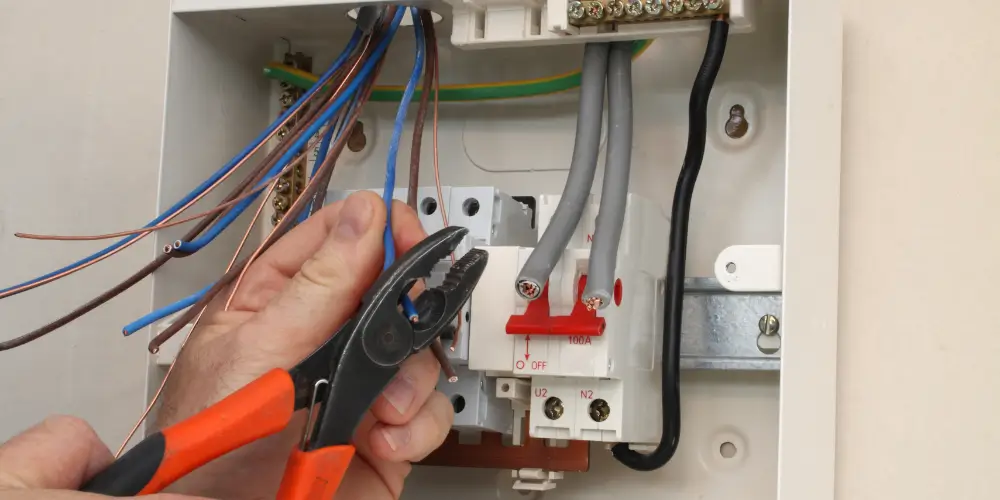
When a Fuse Box Upgrade Becomes Mandatory After an EICR
An EICR (Electrical Installation Condition Report) can reveal significant issues that require a fuse box upgrade to ensure safety compliance.
Property owners must understand when these upgrades are mandatory to guarantee their electrical systems meet current safety standards.
Here are three scenarios where an upgrade becomes essential:
- Outdated Fuse Box Design: If the fuse box employs obsolete components that do not meet modern standards, an upgrade is necessary for safety and efficiency.
- Frequent Tripping: Regular tripped circuits indicate latent overloads, suggesting the existing fuse box cannot effectively handle the electrical load.
- Corrosion or Damage: Visible wear and tear, such as rust or physical damage, compromises the fuse box’s functionality and safety, necessitating an immediate upgrade.
In these instances, updating the fuse box not only increase safety but also provides peace of mind, allowing property owners to enjoy their spaces without electrical worry.
EICR Fuse Box Requirements for Landlords, Homeowners, and Businesses
Understanding EICR fuse box requirements is essential for landlords, homeowners, and businesses to confirm compliance with safety regulations.
These requirements guarantee that properties remain safe and functional, ultimately protecting individuals’ freedom to live and work without the threat of electrical risk.
Landlords must confirm that their properties meet the latest standards, conduct regular inspections, and obtain EICR certificates.
Homeowners, too, are responsible for maintaining safe electrical systems, including the fuse box, to prevent necessary risks.
Businesses must adhere to stricter regulations, as they are accountable for the safety of employees and customers alike.
Regular assessments and upgrades to the fuse box may be necessary to comply with evolving safety standards, ensuring that all occupants can enjoy their spaces without worry.
Frequently Asked Questions
How Often Should I Get an EICR for My Property?
An EICR should be conducted every five years for rental properties, or whenever there is a change of occupancy. Homeowners may opt for inspections every ten years to guarantee ongoing electrical safety and compliance.
What Are the Costs Associated With an EICR Inspection?
Costs for an EICR inspection typically range from £100 to £250, depending on property size and complexity. Additional fees may apply for remedial work or follow-up inspections, emphasising the importance of budgeting for electrical safety compliance.
Can I Conduct My Own EICR Inspection?
Conducting one’s own EICR inspection is not advisable. Expertise is required to ensure safety and regulatory compliance. Property owners should rely on certified professionals for accurate assessments and to avoid latent danger or legal issues.
What Happens if My Property Fails the EICR?
If a property fails the EICR, necessary remedial actions must be taken to address safety issues. Non-compliance could lead to legal consequences, latent risk, and the inability to rent or sell the property until it is resolved.
Are There Any Exemptions to EICR Requirements for Certain Properties?
Specific properties, such as those not rented out or owned by particular organisations, may be exempt from EICR requirements. However, property owners should verify individual circumstances to guarantee compliance with current regulations and safety standards.
Conclusion
In summary, understanding EICR fuse box requirements is essential for UK property owners to guarantee safety and compliance. Regular inspections, proper labelling, and the inclusion of RCDs are critical components that influence safety ratings and legal responsibilities. By addressing outdated systems and guaranteeing accessibility, property owners can mitigate risks and uphold electrical standards. Ultimately, being proactive about EICR compliance not only protects residents but also safeguards properties from likely risks and legal repercussions.