Fire prevention is an analytical aspect of maintaining safety in any environment. A well-structured fire prevention checklist can identify probable dangers before they become serious threats. Regular inspections and energetic measures are essential for effective risk management. Businesses that implement these strategies often see a significant reduction in fire incidents. However, understanding the nuances of a thorough checklist can be complex and requires careful consideration of various factors. What elements should be prioritised to intensify overall safety?
Key Takeaways
- Conduct regular inspections of smoke detectors, fire alarms, and extinguishers to ensure they are functional and compliant with safety standards.
- Monitor electrical systems for frayed wires and avoid overloading circuits to prevent electrical risks.
- Store flammable materials safely away from heat sources and ensure hazardous substances are properly labelled.
- Keep exit routes clear and unobstructed to ensure safe evacuation during emergencies.
- Promotes safety by training employees on fire risks and emergency protocols.
Table of Contents
Preventing Fires Starts With the Right Safety Checks
A thorough fire prevention strategy begins with diligent safety checks. These checks are essential for identifying possible danger before it escalates into emergencies.
Regular inspections of fire alarms, fire extinguishers, and smoke detectors guarantee they are functioning correctly and accessible. It is important to check electrical systems for frayed wires or overloaded circuits, as these can pose a significant fire risk. Additionally, keeping flammable materials stored safely away from heat sources is essential.
Routine maintenance of heating appliances and cooking equipment can prevent malfunctions that lead to fires. Moreover, establishing clear exit routes and guaranteeing they remain unobstructed is essential for safety.
Common Fire Risks That Are Missed Without a Structured Checklist
Many common fire risks can easily be overlooked without a structured checklist. This oversight can lead to dangerous situations that could have been avoided with proper attention. A systematic method helps identify and mitigate these risks effectively.
| Risk Factor | Description | Prevention Measures |
| Electrical Risk | Damaged wiring or overloaded circuits | Regular inspections and updates |
| Flammable Materials | Improper storage of chemicals or fuels | Store away from heat sources |
| Blocked Exits | Obstructions in emergency exit paths | Guarantee all pathways are clear |
| Neglected Equipment | Unmaintained appliances or heating systems | Schedule regular maintenance checks |
How to Spot Early Fire Hazards Before They Become Dangerous
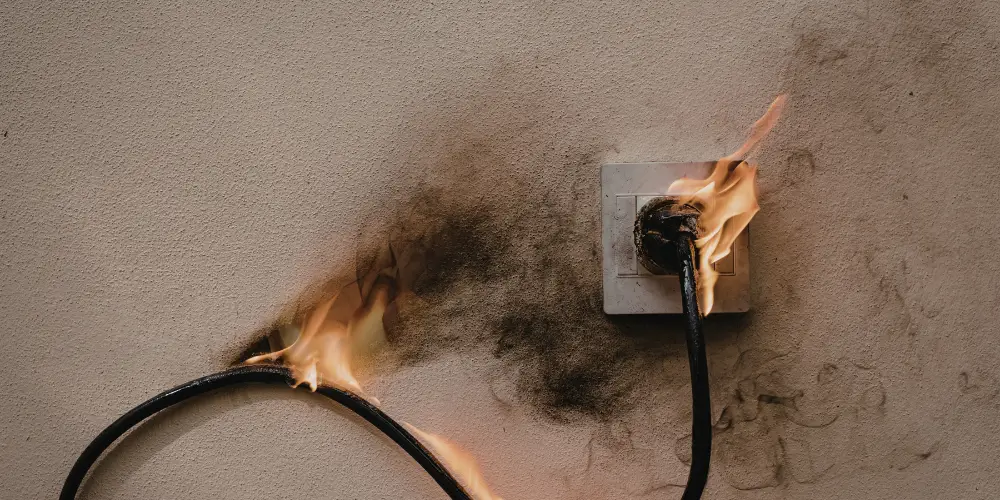
How can individuals effectively identify early fire risk before it escalates into dangerous situations? Awareness is key. Regularly inspecting electrical cords for fraying or damage can prevent latent sparks.
Additionally, individuals should monitor heating devices and confirm they are placed away from flammable materials. Overloaded outlets and extension cords are common fire risks; therefore, limiting their use is essential.
In kitchens, keeping flammable items away from stovetops and regularly cleaning grease buildup can help mitigate the risk. Moreover, individuals should check smoke detectors to ensure they are functional and replace batteries as needed.
Regularly clearing clutter, especially in storage areas, can also reduce the amount of fire fuel.
Finally, being vigilant about unusual odours or smoke can serve as early warning signs. By maintaining these practices, individuals significantly improve their ability to spot fire risks before they become serious threats.
Why Regular Fire Safety Inspections Are More Effective Than One-Off Checks
While one-off fire safety checks may provide temporary reassurance, the effectiveness of regular inspections far surpasses that of sporadic evaluations. Regular fire safety inspections encourage a proactive approach, identifying latent risks before they escalate into serious issues. By conducting frequent assessments, organisations can guarantee that fire safety equipment, such as alarms and sprinklers, fire doors etc, remains functional and compliant with regulations.
Moreover, regular inspections create a value of safety awareness among employees, encouraging them to report risks and participate in fire prevention efforts. This ongoing engagement helps to maintain a heightened level of vigilance, considerably reducing the likelihood of fire incidents.
In contrast, infrequent checks can lead to complacency, allowing unnoticed danger to accumulate over time. Consequently, the continuous nature of regular inspections not only increases physical safety measures but also cultivates a thorough fire safety mindset within the organisation, ultimately leading to more effective fire prevention strategies.
Practical Steps Businesses Can Take to Reduce Fire Incidents
Regular fire safety inspections lay the groundwork for businesses to implement practical measures that additionally reduce fire incidents.
First, companies should ensure that all employees receive fire safety training, equipping them with knowledge of fire risks and emergency protocols. Moreover, maintaining clear access to fire exits and keeping fire extinguishers readily available and properly maintained is pivotal.
Businesses should also regularly review and update their fire safety equipment, such as alarms and smoke detectors, to verify functionality.
Reducing clutter in workspaces can minimise fire risks; as a result, creating designated storage and waste-disposal areas is essential. In addition, adopting a policy for safe handling and storage of flammable materials can significantly mitigate risks.
The Importance of Consistent Fire Prevention Procedures in the Workplace
Consistent fire prevention procedures are pivotal in the workplace, as they establish a culture of safety and preparedness among employees and are supported by a clear fire prevention checklist. By implementing and adhering to these procedures, organisations can considerably reduce the risk of fire incidents.
Regular training and drills ensure employees are familiar with emergency protocols, empowering them to respond effectively. Moreover, consistent procedures help identify problems, enabling effective risk management and mitigation through a fire prevention checklist.
A structured fire safety method promotes accountability and ensures that all employees understand their roles in maintaining a safe environment. This not only protects lives but also preserves property and minimises latent disruptions to business operations.
Additionally, a commitment to fire prevention can increase employee morale by making workers feel secure in their workplace. Ultimately, consistent fire prevention procedures are proven for creating a safe, efficient, and resilient workplace, reinforcing the importance of prioritising fire safety at all levels.
Fire Prevention Checklist Items That Support Legal Compliance
To ensure compliance with fire safety regulations, organisations must implement an all-encompassing fire prevention checklist that addresses all necessary legal requirements.
This checklist should include confirming that all fire exits are clearly marked and accessible, verifying that fire extinguishers are regularly inspected and maintained, and confirming that smoke detectors are installed and functioning correctly.
Additionally, organisations should confirm that employees receive adequate fire safety training, which is often mandated by law.
Regular assessments of fire danger, such as identifying latent ignition sources and flammable materials, are also essential.
Compliance with local building codes, including the installation of fire-resistant materials and adherence to occupancy limits, must be consistently monitored.
Reducing Fire Risk Through Routine Monitoring and Maintenance
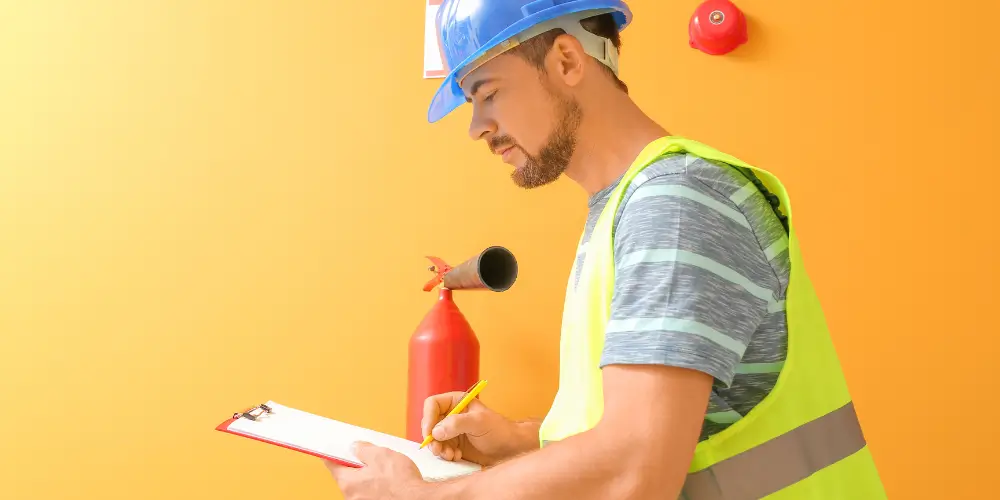
Routine monitoring and maintenance play a significant role in reducing fire risk within organisations. By systematically checking and addressing latent danger, businesses can create a safer environment.
The following practices are essential for effective fire risk management:
- Regular Inspection of Fire Equipment: Fire extinguishers, alarms, and sprinkler systems should be inspected monthly to guarantee they are operational.
- Routine Electrical Checks: Regular assessments of electrical systems can identify frayed wiring or overloaded circuits, which are common fire risks.
- Clearance of Flammable Materials: Regularly removing combustible materials from work areas minimises the chances of ignition.
- Maintenance of Heating Systems: Annual servicing of heating equipment guarantees they function safely and efficiently, reducing the risk of fire.
How a Fire Prevention Checklist Improves Long-Term Safety Planning
While many organisations prioritise immediate fire safety measures, implementing a fire prevention checklist can greatly magnify long-term safety planning. A well-structured checklist is an effective tool for identifying latent risks and ensuring that safety protocols are consistently followed over time.
By regularly reviewing and updating the checklist, organisations can adapt to changes in their environment, equipment, or personnel, thereby minimising risks associated with fire incidents.
Furthermore, utilising a fire prevention checklist promotes a culture of safety among employees. It encourages them to remain vigilant, instilling a sense of responsibility for their surroundings.
This ongoing commitment to safety not only protects lives and property but also reduces insurance costs and liability claims. Fundamentally, a fire prevention checklist is not merely a document; it is an integral component of a comprehensive safety strategy that ensures long-term protection against fire risks.
Creating a Safer Environment by Following Proven Fire Prevention Methods
Implementing proven fire prevention methods creates a safer environment for all occupants.
By adhering to established practices, individuals can significantly reduce the risk of fire incidents.
The following methods are essential for adequate fire prevention:
- Install Smoke Detectors: Verify smoke detectors are placed in key areas and regularly check their functionality.
- Create an Emergency Plan: Develop a clear fire escape plan and conduct regular drills to familiarise all occupants with the procedure.
- Maintain Electrical Systems: Regularly inspect and maintain electrical wiring and appliances to prevent short circuits and electrical fires.
- Store Flammable Materials Safely: Keep flammable items in designated areas, away from heat sources, to minimise the risk of accidental ignition.
Frequently Asked Questions
What Are the Costs Associated With Implementing a Fire Prevention Checklist?
Implementing a fire prevention checklist involves costs such as purchasing safety equipment, training personnel, conducting inspections, and maintaining compliance. These expenses are essential outlays that can considerably reduce the risk of fire-related damages and liabilities.
How Often Should Employees Be Trained on Fire Safety Procedures?
Employees should be trained on fire safety procedures at least annually. Regular training reinforces knowledge, ensures preparedness, and promotes a culture of safety, ultimately reducing the risk of workplace fire incidents.
Are There Specific Regulations for Different Types of Businesses Regarding Fire Safety?
Yes, specific fire safety regulations vary by business type, influenced by factors such as occupancy, materials handled, and local codes. Compliance with these regulations is essential to ensuring workplace safety and minimising fire risk.
What Should I Do if I Find a Fire Hazard During an Inspection?
Upon discovering a fire hazard during an inspection, one should immediately report it to the appropriate authorities, document the issue, and implement corrective actions to mitigate the risk, ensuring the safety of all occupants.
How Can I Effectively Communicate Fire Safety Policies to My Team?
To effectively communicate fire safety policies, one should hold regular meetings, use clear visuals, encourage questions, provide written materials, and reinforce training through drills, ensuring everyone understands their responsibilities and the importance of fire safety.
Conclusion
In summary, implementing a comprehensive fire prevention checklist is essential for identifying and mitigating potential fire risks before they escalate. By conducting regular inspections, maintaining safe storage practices, and monitoring electrical systems, businesses can significantly reduce fire risks. This response not only promotes safety but also ensures compliance with legal standards. Ultimately, a well-structured fire prevention strategy magnifies long-term safety planning and creates a safer environment for all employees.