A serves as a disapproving tool for property owners, particularly in low-risk environments. It provides a systematic evaluation of fire fate and existing safety measures. Understanding its scope and purpose is essential for compliance with local regulations. However, many property owners remain unaware of the specific elements included in such assessments. What insights could a thorough evaluation reveal about your property’s fire safety?
Key Takeaways
- A identifies probable fire risk and compliance requirements for low-risk properties, such as small offices and residential homes.
- It includes a detailed description of the premises, fire danger, existing safety measures, and responsible individuals for fire safety.
- Typical findings include blocked exits, inadequate signage, faulty electrical systems, and a lack of fire alarms, all of which should be addressed promptly.
- Recommended actions include clearing exit pathways, installing clear signage, conducting electrical inspections, and maintaining fire alarms for timely alerts.
- Choose assessors with relevant certifications and experience to ensure a thorough evaluation and effective communication of findings.
Table of Contents
What Is a Level 1 Fire Risk Assessment and Who Needs One?
A serves as a fundamental evaluation tool for property owners to identify potential fire hazards on their premises. This assessment is needed for individuals who value their liberty and safety, as it empowers them to take bold measures against fire risks.
By examining a property’s layout, materials, and activities, owners can pinpoint vulnerabilities that may lead to fire incidents. Those who need such an assessment include homeowners, Landlord Safety Experts, and business proprietors who seek to create secure environments for themselves and others.
By conducting a, they can guarantee compliance with safety regulations and protect their assets. This process further instils a sense of responsibility, allowing property owners to embrace their freedom while safeguarding their spaces.
Ultimately, understanding fire risks paves the way for informed decisions and upgrades safety, enabling individuals to enjoy their properties without fear.
Level 1 Fire Risk Assessment Explained: Scope, Purpose, and Legal Context
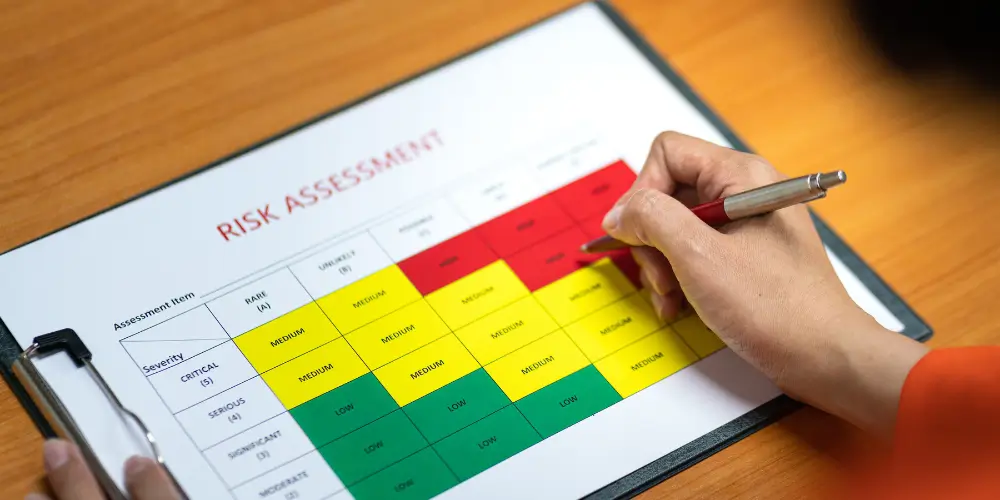
Understanding the scope, purpose, and legal context of a is essential for property owners aiming to intensify safety measures. This type of assessment primarily focuses on identifying possible fire risk in low-risk premises, thereby facilitating a straightforward risk evaluation.
It serves to guarantee compliance with local fire safety regulations, thereby safeguarding both occupants and property. Legally, property owners are often required to conduct such assessments to demonstrate due diligence in fire safety management.
The purpose extends beyond mere compliance; it is about encouraging a society of safety that empowers individuals to take energetic steps to mitigate risk. By understanding these elements, property owners can not only protect their assets but also contribute to a safer environment for everyone.
In this way, a becomes an essential tool in the journey toward responsible property management and community safety.
When a Level 1 Fire Risk Assessment Is the Right Choice for Low-Risk Premises
When is the appropriate choice for low-risk premises? This type of assessment is ideal for properties with minimal fire danger, such as small offices, residential homes, or lightly used retail spaces.
These environments typically feature limited combustible materials, straightforward layouts, and established fire safety measures. For property owners seeking to maintain their freedom from excessive regulations, a Level 1 assessment offers a balanced method that ensures compliance without unnecessary complexity.
In cases where the occupancy is low and the risk for fire incidents is minimal, this streamlined assessment suffices to identify fundamental risks and establish basic safety protocols.
It allows property owners to focus on their core activities while ensuring a safe environment. Ultimately, a serves as a practical tool, empowering owners to safeguard their properties without encumbering their operational freedom.
Key Elements Covered in a Level 1 Fire Risk Assessment Report
The Report is an essential document that outlines the fundamental elements required to ensure fire safety in low-risk premises. This report typically covers several key components, beginning with a detailed description of the premises, including layout and occupancy details.
It assesses potential fire risks, including sources of ignition system and flammable materials. Additionally, the report assesses existing fire safety measures, including alarms, extinguishers, and emergency exits, to ensure they are adequate for the premises’ specific needs.
Identifying individuals responsible for fire safety is also essential to ensure accountability. Moreover, the report includes recommendations for improvements, should any deficiencies be identified.
Finally, it concludes with an action plan to address the noted issues, empowering property owners to take energetic steps toward enhancing fire safety. Overall, this document serves as a foundational tool for property owners committed to safeguarding their premises and occupants.
How a Level 1 Fire Risk Assessment Supports Fire Safety Compliance
A serves as an essential tool for property owners endeavouring to meet fire safety compliance standards. This assessment identifies dormant fire risk and judges the effectiveness of existing safety measures, ensuring that property owners are not only compliant but also safeguarding the well-being of occupants.
The following table highlights key components of fire safety compliance supported by a Level 1 assessment:
| Component | Description |
| Hazard Identification | Recognises dormant fire risks |
| Safety Measures Review | Judges’ current fire safety protocols |
| Occupant Safety | Protects lives by ensuring safe egress |
| Regulatory Compliance | Aligns property with local fire codes |
| Documentation | Provides a written record for accountability |
Level 1 Fire Risk Assessment vs Higher Levels: Understanding the Differences
Understanding the distinctions between a Fire Risk Assessment and higher levels of evaluation is essential for property owners aiming to increase their fire safety protocols.
A Level 1 assessment serves as an initial review, focusing on identifying obvious fire danger, evaluating overall fire safety measures, and ensuring compliance with basic regulations. It is generally suitable for smaller, less complex properties.
In contrast, higher-level assessments, such as Level 2 and Level 3, delve deeper into specific risks and require more detailed analysis. These assessments often consider factors like occupancy types, fire load, and the building’s unique characteristics.
Consequently, they involve more thorough inspections, documentation, and recommendations.
For property owners seeking to prioritise safety, understanding these differences helps them make informed decisions about the level of assessment needed, ensuring their fire safety strategies are both practical and tailored to their specific circumstances.
Typical Properties That Require a Level 1 Fire Risk Assessment
Properties such as small offices, retail shops, and residential buildings often require a Fire Risk Assessment. These environments typically host fewer occupants and present simpler layouts, making them suitable for initial assessments. A Level 1 assessment focuses on identifying basic fire risk and evaluating existing fire safety measures.
In addition to small commercial spaces, single-family homes and multi-tenant dwellings also fall within this category. Owners of such properties should prioritise safety to guarantee a secure environment for tenants and clients.
Moreover, places like small community centres and local cafés may not have the complexities of larger facilities, but they still require careful evaluation of fire risks.
How Often Should a Level 1 Fire Risk Assessment Be Reviewed or Updated?
How frequently should a Fire Risk Assessment be reviewed or updated? Property owners are encouraged to conduct an annual review. This practice guarantees that any changes in the property’s use, occupancy, or layout are considered.
Additionally, updates should occur after significant renovations, changes in fire safety regulations, or incidents that reveal latent vulnerabilities.
It is pivotal to remain aware of evolving risks and compliance requirements. Regular assessments empower owners to take driven measures, ultimately enhancing safety and preserving freedom from latent liabilities.
While an annual review is a general guideline, property owners must remain vigilant and responsive to their unique circumstances.
Encouraging a society of safety and preparedness not only protects assets but also advances a sense of security among occupants. In this way, the freedom of enjoying one’s property is upheld through diligent attention to fire risk management.
Common Findings Identified During a Level 1 Fire Risk Assessment
A Fire Risk Assessment often reveals several common findings that can significantly impact safety measures within a property. Identifying these issues enables property owners to take driven steps to improve their fire safety protocols.
| Common Findings | Potential Risks | Recommended Actions |
| Blocked exits | Impeded evacuation | Clear pathways regularly |
| Inadequate signage | Confusion during emergencies | Install clear fire exit signs |
| Faulty electrical systems | Fire Danger | Conduct regular inspections |
| Absence of fire alarms | Delayed warnings | Install and maintain alarms |

Choosing a Competent Assessor for a Level 1 Fire Risk Assessment
Selecting a competent assessor for a Fire Risk Assessment is essential, as their expertise directly influences the effectiveness of fire safety measures implemented within a property.
Property owners should seek assessors with relevant qualifications, such as certifications in fire safety and risk management. Experience in conducting fire risk assessments, particularly in similar property types, is also relevant for ensuring thorough evaluations.
Additionally, it’s beneficial to check references and reviews to gauge an assessor’s reliability and professionalism. The assessor should demonstrate a detailed understanding of fire regulations and best practices, and promote a society of safety and compliance.
Communication skills are essential; a competent assessor should effectively convey findings and recommendations, empowering property owners to make informed decisions.
Ultimately, choosing an assessor who aligns with the property owner’s vision of safety and responsibility can lead to a more secure environment, enhancing both freedom and peace of mind.
Frequently Asked Questions
What Are the Costs Associated With a Level 1 Fire Risk Assessment?
Costs associated with a fire risk assessment typically include professional services fees, possible site inspections, and administrative expenses. Variations may occur based on property size, location, and the complexity of the required assessment.
Can Property Owners Conduct Their Own Level 1 Fire Risk Assessment?
Property owners can conduct their own fire risk assessment, provided they possess adequate knowledge and understanding of fire safety regulations. However, professional assessments guarantee thorough evaluations, minimising risks and enhancing safety in their properties.
How Long Does a Level 1 Fire Risk Assessment Typically Take?
A fire risk assessment typically takes between one and three hours, depending on the property’s size and complexity. This timeframe allows for thorough evaluation while ensuring property owners can maintain their independence in safety management.
What Qualifications Should a Fire Risk Assessor Possess?
A fire risk assessor should possess relevant qualifications, such as certifications in fire safety engineering, risk management, or fire prevention. Experience in property management and knowledge of applicable regulations increase their ability to conduct thorough assessments effectively.
Are There Penalties for Not Conducting a Level 1 Fire Risk Assessment?
Yes, penalties may exist for failing to conduct a level 1 fire risk assessment. Non-compliance can lead to fines, legal action, or increased liability in case of fire-related incidents, compromising safety and personal freedom.
Conclusion
To summarise, a Level 1 Fire Risk Assessment serves as an essential tool for property owners to identify and mitigate fire risk in low-risk environments. By understanding its scope, purpose, and legal implications, property owners can increase safety measures and guarantee compliance with regulations. Regular reviews and updates, along with the involvement of a competent assessor, further strengthen fire safety protocols, ultimately encouraging a secure environment for occupants and protecting valuable assets from possible fire-related incidents.