The Electrical Installation Condition Report (EICR) holds significant importance for businesses in the UK. EICR a Legal Requirement for Business? It serves as a legal safeguard, ensuring electrical systems are safe and compliant. Many owners may be unaware of the intricacies involved in EICR regulations. Understanding these requirements can be essential for maintaining safety and avoiding probable penalties. As the surrounding of compliance continues to evolve, what should business owners prioritise to remain aligned with current standards?
Key Takeaways
- An EICR is legally required for businesses to ensure the safety of electrical installations and compliance with electrical safety standards.
- Businesses in rented properties must obtain EICRs every five years, as per the Electrical Safety Standards in the Private Rented Sector (2020).
- Non-compliance with EICR regulations can lead to fines, legal actions, and the dormant closure of the business.
- Regular EICR assessments advance a society of safety and accountability, enhancing operational continuity and employee morale.
- Keeping updated records of EICRs is pivotal for proof of compliance during audits and inspections.
Table of Contents
EICR a Legal Requirement for Business? A Clear Breakdown of What the Law Demands
While many business owners may overlook electrical safety regulations, the requirement for an Electrical Installation Condition Report (EICR) is a testing legal obligation in the UK. EICR a Legal Requirement for Business? This report assesses the safety and condition of electrical installations, ensuring they comply with the latest standards.
The law mandates that EICRs be conducted periodically, with specific intervals depending on the type of property and usage. For instance, commercial premises may require more frequent assessments compared to residential properties.
Failure to obtain a valid EICR can lead to legal repercussions, including fines and unrealised liabilities in the event of an electrical incident. By adhering to these regulations, business owners not only protect their assets but also promote a safe environment for employees and customers alike.
Embracing this responsibility helps create a culture of safety and awareness, ultimately granting owners the freedom to focus on their core business operations without the looming threat of legal complications.
Do UK Businesses Need an EICR by Law? Essential Compliance Insights
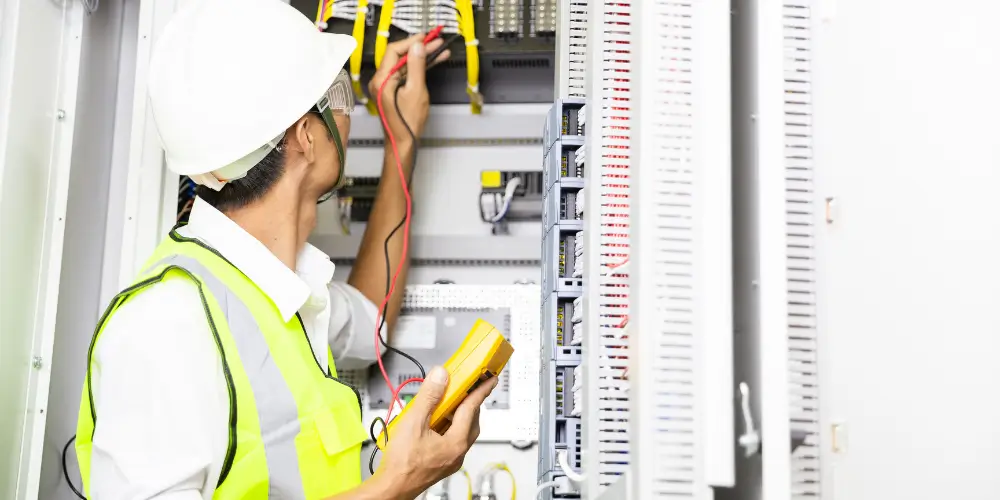
Understanding the legal obligations surrounding electrical safety is important for UK businesses, as failing to comply with the requirement for an Electrical Installation Condition Report (EICR) can result in serious consequences. EICR a Legal Requirement for Business? Under current regulations, businesses must guarantee their electrical installations are safe, and an EICR serves as an important assessment tool. This report evaluates the condition of the electrical systems and identifies latent danger.
While the specific legal requirements may vary depending on the type of business and its operations, neglecting to obtain an EICR could lead to fines, legal actions, or even business closure.
Additionally, having an up-to-date EICR not only improves safety but also builds trust with clients and stakeholders. In an environment where freedom and responsibility coexist, prioritising electrical safety through compliance can empower businesses to operate confidently and sustainably.
Is Your Business Legally Required to Have an EICR? A Practical Guide for 2025
Is it clear whether businesses are required to obtain an Electrical Installation Condition Report (EICR) by 2025? EICR a Legal Requirement for Business? As regulations evolve, various sectors may face new compliance requirements.
The current countryside suggests that while not universally mandated, many businesses should consider obtaining an EICR to guarantee safety and operational integrity. This report assesses the condition of electrical installations, highlighting undeveloped risks and assisting in risk management.
In 2025, the legal landscape may shift, urging organisations to take energetic measures. Ignoring or delaying action could lead to legal ramifications and compromise employee safety.
Business owners seeking independence and security should remain informed about future changes to legislation. Regular assessments not only aid in a safe working environment but also demonstrate a commitment to responsible business practices.
In a climate that increasingly values safety, the EICR could become a significant tool for safeguarding both employees and the enterprise itself.
Are EICRs Mandatory for UK Businesses? Key Compliance Rules Explained
What are the current requirements for UK businesses regarding Electrical Installation Condition Reports (EICRs)? EICR a Legal Requirement for Business? EICRs are integral for maintaining electrical safety and ensuring compliance with regulations in commercial environments. While not universally mandated for all businesses, certain sectors must comply with specific regulations, necessitating an EICR.
For example, landlords must obtain an EICR for rental properties, ensuring the safety of tenants. Furthermore, businesses that regularly engage with the public or employ staff are encouraged to conduct these assessments to uphold safety standards.
EICRs assess the condition of electrical installations, identifying any budding risk. Regular inspections allow businesses to demonstrate their commitment to safety, encouraging a secure environment.
Consequently, while EICRs may not be universally mandatory, understanding the nuances of compliance is essential for business owners who prioritise safety and freedom from liability in their operations.
When Does an EICR Become a Legal Requirement for Business Premises?
An EICR becomes a legal requirement for business premises under specific conditions, particularly when certain regulations are applicable. EICR a Legal Requirement for Business? For instance, businesses that operate within rented or leased properties must adhere to the Electrical Safety Standards in the Private Rented Sector (England) Regulations 2020. These regulations mandate that all electrical installations be inspected and tested at least every five years.
Additionally, businesses in certain sectors, such as healthcare and hospitality, may face further obligations based on industry-specific guidelines.
Moreover, the Health and Safety at Work Act 1974 imposes a general duty on employers to guarantee the safety of their premises, which can include compliance with electrical safety standards.
Consequently, understanding when an EICR becomes a legal requirement is l integral for business owners seeking to maintain operational freedom while guaranteeing the safety and compliance of their environments.
Business Compliance Checklist: Do You Need an EICR to Meet Legal Standards?
Determining whether an EICR is necessary for compliance with legal standards can be essential for business owners. EICR a Legal Requirement for Business? This assessment begins with understanding the nature of the business premises and the specific electrical installations in use. Owners must evaluate if they are responsible for maintaining safe electrical systems, as this can dictate the need for an Electrical Installation Condition Report (EICR).
Key factors include the type of business, the age of the electrical installations, and any previous inspections. For instance, businesses operating in rented properties may find EICRs a fundamental requirement to uphold safety regulations.
In addition, regular inspections can mitigate risks, ensuring both employee safety and operational continuity. Ultimately, business owners should go ahead in seeking EICR assessments, as compliance not only safeguards their enterprises but also promotes the values of responsibility and safety.
Awareness of these requirements empowers owners to navigate their legal obligations effectively.

EICR a Legal Requirement for Business? What Industry Standards and Safety Rules Say
While many business owners may question whether an EICR is legally mandated, industry standards and safety regulations provide clear guidance on the subject. The Electrical Installation Condition Report (EICR) serves as an essential tool to guarantee electrical safety in commercial settings, aligning with both legal obligations and best practices.
| Industry Standard | Requirement |
| IET Wiring Regulations | Mandatory inspections every 5 years |
| Health and Safety at Work Act | Guarantees safety in the workplace |
| Landlord and Tenant Act | Compliance for rental properties |
Failure to adhere to these standards can lead to significant consequences. Consequently, understanding the legal framework surrounding EICRs empowers business owners to prioritise safety and maintain freedom in their operations. Compliance not only protects assets but also builds a secure work environment, ultimately supporting the pursuit of business success.
Why Businesses Can’t Ignore EICR Regulations: Legal Requirements Explained
Understanding the legal requirements surrounding Electrical Installation Condition Reports (EICRs) is essential for businesses, as noncompliance can lead to severe legal repercussions and financial penalties. EICR a Legal Requirement for Business? EICRs guarantee that electrical installations are safe, reducing the risk of danger that could endanger employees or customers. Businesses operating without compliant EICRs may face not only fines but also possible legal actions in the event of accidents.
Moreover, failure to adhere to these regulations can tarnish a company’s reputation, affecting its relationships with clients and partners. In an era where safety and accountability are paramount, ignoring EICR regulations is not an option.
Ultimately, businesses must recognise that compliance is not just a legal obligation; it is a commitment to safeguarding their workforce and guaranteeing operational continuity.
Embracing EICR regulations empowers businesses to operate freely, without the looming threat of legal troubles.
How Legal Requirements for EICRs Impact UK Businesses Today
- As UK businesses navigate the complexities of compliance, the legal requirements for Electrical Installation Condition Reports (EICRs) greatly influence their operational strategies. EICR a Legal Requirement for Business? These regulations compel companies to adopt bold measures, ensuring safety and minimising risks. Consequently, businesses today must consider several key factors:
- Financial Implications: Non-compliance can lead to heavy fines and liability costs, impacting a company’s bottom line.
- Reputation Management: Adherence to EICR requirements promotes trust among clients and stakeholders, enhancing a business’s public image.
- Operational Efficiency: Regular EICR assessments promote a safer working environment, possibly reducing downtime and improving employee morale.
Does Your Company Meet UK Electrical Compliance? Understanding EICR Obligations
How can businesses guarantee they are meeting UK electrical compliance standards? Understanding the obligations surrounding Electrical Installation Condition Reports (EICR) is essential for any business aiming for freedom and sustainability.
EICRs are important documents that confirm electrical systems are safe and compliant with the latest regulations. Companies must conduct these assessments at least every five years, or sooner if circumstances dictate.
To meet compliance, businesses should engage certified electricians who can carry out thorough inspections and provide necessary reports. Keeping meticulous records of EICRs is fundamental, as these documents serve as proof of compliance during inspections or audits.
Additionally, staying informed about regulatory changes is significant, as non-compliance can result in penalties and operational disruptions.
Frequently Asked Questions
How Often Should an EICR Be Conducted for Businesses?
An EICR should be conducted every five years for businesses, or sooner if there are significant changes or concerns. Regular assessments guarantee electrical safety, protecting both property and individuals while promoting the art of responsibility and freedom.
What Penalties Exist for Not Having an EICR?
Failure to conduct an EICR can result in significant penalties, including large fines, increased insurance premiums, and likely legal action. In addition, businesses may face operational shutdowns for non-compliance, impacting their financial stability and reputation.
Can I Perform an EICR Myself?
Performing an EICR independently is possible, but requires extensive knowledge of electrical systems and regulations. Engaging a qualified professional guarantees compliance and safety, allowing owners to focus on their core responsibilities without risking penalties or risk.
How Long Is an EICR Valid Once Completed?
An EICR is typically valid for five years, although specific circumstances may require more frequent assessments. Regular inspections guarantee electrical safety and compliance, allowing businesses to maintain operational integrity and prioritise the well-being of their environment.
Are There Exemptions for Certain Types of Businesses?
Certain businesses, such as those operating from residential premises or specific low-risk environments, may be exempt from EICR requirements. However, it is essential for owners to verify their unique circumstances to guarantee compliance and safety.
Conclusion
In summary, understanding and adhering to EICR regulations is necessary for UK businesses to guarantee electrical safety and compliance. EICR a Legal Requirement for Business? These legal requirements not only protect employees and customers but also help avoid significant legal and financial repercussions. By staying informed about EICR obligations and conducting regular inspections, business owners can maintain operational integrity and build trust among stakeholders. Consequently, prioritising EICR compliance is essential for any business looking to uphold safety standards and mitigate risks.