How Often Should an EICR Be Done? Regular electrical inspections are essential for keeping any property safe and legally compliant. An EICR (Electrical Installation Condition Report) is a detailed check carried out by a qualified electrician to assess the safety and condition of a building’s electrical system. It helps identify faults, wear, or potential hazards that could lead to electric shocks or fires. For landlords, homeowners, and business owners across London, understanding how often should an EICR be done is key to meeting safety regulations and protecting everyone who uses the property.
Key Takeaways
- EICR should be conducted every 5 years for residential rental properties, or more frequently if specific conditions or tenant turnover warrant it.
- Commercial properties require an EICR every 5 years, but heavy use may necessitate earlier inspections.
- Educational settings and healthcare facilities often require EICR every 5 years, with healthcare facilities potentially requiring more frequent checks due to higher risk.
- Specialised environments, such as industrial sites, should undergo inspections every 3 to 5 years, depending on environmental exposure and equipment use.
- Always use qualified electricians for EICR to ensure compliance with BS 7671 standards and accurate identification of potential hazards.
Table of Contents
What Is an EICR and Why Is It Essential for Every Property Owner
An Electrical Installation Condition Report (EICR) is an essential assessment required for maintaining the safety and integrity of electrical systems within any property. This report is not just a routine check but a fundamental right to guarantee personal safety and property health.
Property owners, both residential and commercial, benefit markedly from understanding the status and potential risks of their electrical installations. The freedom to manage and maintain one’s property safely, without the threat of unforeseen electrical failures, is a critical aspect of property ownership. Knowing how often should an EICR be done helps ensure these safety standards are consistently met.
It’s about taking control of your environment and guaranteeing it aligns with safety norms that protect everyone who steps into your property.
Moreover, the EICR contributes to the longevity of property infrastructure. Catching potential issues early helps in avoiding costly repairs and disruptive maintenance work in the future. This not only saves money but also guarantees that the property remains functional and safe, preserving its value and usability. For lasting safety and compliance, landlords must understand how often should an EICR be done according to current UK regulations.
In essence, obtaining an EICR is about exercising the freedom to secure one’s property and guaranteeing peace of mind. It is a proactive measure that stands as proof of responsible property management and a commitment to safety.
Legal Requirements for EICR Testing Under UK Electrical Safety Regulations
In the UK, EICR testing is a legal requirement for landlords and property managers under several key regulations. The most notable is the Electrical Safety Standards in the Private Rented Sector (England) Regulations 2020, which require landlords to have all electrical installations in rental properties inspected and tested at least every 5 years by a qualified and competent person. Understanding how often should an EICR be done is crucial for staying compliant with these legal obligations.
A copy of the Electrical Installation Condition Report (EICR) must be given to existing tenants within 28 days of the inspection, to new tenants before they move in, and to local authorities within seven days if requested. These regulations ensure that all electrical systems are safe and maintained to a high standard, reducing the risk of electrical accidents and fire hazards.
For commercial properties, compliance is supported by the Electricity at Work Regulations 1989, which require employers and duty holders to maintain electrical systems in a safe condition. Regular EICR testing helps fulfil this obligation and demonstrates that reasonable steps have been taken to prevent electrical danger in the workplace. Landlords and business owners should always be aware of how often should an EICR be done to ensure safety.
By adhering to these laws, landlords and business owners not only meet their legal responsibilities but also protect their tenants, employees, and properties from avoidable electrical risks.
Electrical Inspection Intervals for London Residential Buildings and HMOs in the UK
In London, the regulations for electrical inspections in residential buildings and Houses in Multiple Occupation (HMOs) are particularly stringent to guarantee tenant safety and compliance with UK housing standards. This rigorous approach highlights the city’s commitment to making certain that every resident lives in an environment that is not only safe but also upholds their right to quality housing. How often should an EICR be done is key to meeting these safety expectations.
Different types of properties have varying inspection intervals, as outlined below:
| Property Type | Inspection Interval |
| Residential Buildings | Every 5 Years |
| HMOs | Every 5 Years |
| HMOs with high occupancy levels | Every 3 Years |
These intervals are designed to guarantee that electrical systems are maintained in peak condition and any potential hazards are identified and rectified promptly. In the case of HMOs, the higher frequency of checks for buildings with high occupancy levels acknowledges the increased risk and usage strains on electrical systems.

How Often Should an EICR Be Done in Commercial and Office Buildings
How often should an EICR be done in commercial and office buildings? An EICR (Electrical Installation Condition Report) is typically required every five years. This interval follows the guidance set out in BS 7671 (IET Wiring Regulations) and helps ensure that electrical systems remain safe and compliant.
The five-year cycle applies to most workplaces, including offices, retail stores, and other business premises. However, earlier inspections may be necessary if the building is old, has a high electricity demand, or has undergone recent electrical alterations.
Employers and business owners are legally responsible for providing a safe working environment. Regular EICR testing helps identify faults such as damaged wiring, overloaded circuits, or poor earthing before they become dangerous.
Here are a few conditions under which earlier commercial EICR checks might be required:
- Renovations and Major Alterations: If your commercial space has undergone significant changes in its electrical system or structure, an immediate EICR is advisable to guarantee that all modifications meet current safety standards.
- Evidence of Electrical Faults: Signs such as frequent circuit breaker trips, flickering lights, or unusual buzzing sounds from electrical panels urge a sooner-than-scheduled inspection.
- Change of Occupancy: New business tenants can bring different power requirements and operational hazards. An EICR before opening or re-leasing ensures that electrical installations are safe and tailored to new business demands.
EICR Frequency for Schools, Colleges, and Educational Institutions
In schools, colleges, and other educational buildings, an EICR (Electrical Installation Condition Report) should be carried out every five years in line with BS 7671 wiring regulations. This schedule helps ensure that all electrical systems remain safe for students, teachers, and staff throughout the year.
Because these environments have high daily electrical use, from lighting and computers to lab equipment, regular inspections are essential. Older buildings or those with heavy electrical demand may benefit from more frequent checks to prevent faults or disruptions.
It is best practice to arrange EICR testing during school holidays or between academic terms. This allows electricians to complete inspections safely and without disturbing lessons or student activities. Regular testing not only supports compliance with UK safety standards but also helps create a secure and reliable learning environment.
Electrical Testing Intervals for Hospitals, Care Homes, and Healthcare Facilities
Hospitals, care homes, and healthcare facilities must follow stricter EICR testing schedules due to the sensitive nature of their environments and the reliance on electrical equipment for patient care. In most cases, an EICR should be carried out every 1 to 3 years, depending on the type of facility and the level of risk involved.
Critical care areas, such as operating theatres or intensive care units, often require annual inspections to ensure all electrical systems are functioning safely. General wards, care homes, and clinics may follow a three-year cycle, provided that regular visual checks are also performed.
Frequent testing helps prevent electrical faults that could disrupt essential medical equipment or create safety risks for patients and staff. Following the recommended intervals set out in BS 7671 and healthcare-specific guidance ensures compliance and promotes continuous electrical safety across all medical settings.
Recommended EICR Inspection Frequency for Industrial Sites and Public Spaces
Industrial sites and public spaces require regular EICR (Electrical Installation Condition Report) testing to ensure the safety of workers and visitors. Because these environments often involve heavy machinery, high energy use, and exposure to dust and moisture, electrical systems are subject to greater wear and tear.
For most industrial sites, such as factories, warehouses, and workshops, an EICR should be carried out every 3 years. In areas with harsh operating conditions or 24-hour operations, more frequent inspections every 1 to 2 years may be necessary to ensure continued safety.
Public spaces, including community centres, leisure facilities, and parks with lighting or electrical installations, generally follow a 3- to 5-year inspection cycle. Regular checks help detect damage caused by weather or public use and ensure compliance with UK safety regulations.
By maintaining these inspection intervals and promptly addressing faults, owners and managers can protect people, prevent costly breakdowns, and demonstrate an ongoing commitment to electrical safety standards.
Recognising the Warning Signs That an EICR Is Overdue
Here are some signs that might indicate your property’s EICR is overdue:
- Frequent Electrical Issues: If you notice recurring electrical problems, such as circuit breakers tripping frequently, flickering lights, or unusual buzzing from electrical systems, it’s a call for immediate inspection. These are not just inconveniences but potential fire hazards or signs of underlying electrical faults.
- Aged Electrical Systems: Electrical systems that haven’t been upgraded or inspected in over five years are likely non-compliant with current safety standards. Ageing infrastructure is prone to deterioration and poses significant risks.
- Recent Property Modifications: Structural changes or central installations can affect your property’s electrical system. Post-modification, an updated EICR is essential to confirm that your modified electrical systems are safe and compliant.
Understanding these warning signs and acting proactively not only ensures compliance with safety regulations but also shows that your property is safe and secure.
Delays in conducting an EICR not only compromise safety but can also lead to costly legal and repair issues in the future. Prioritise timely inspections; it’s your responsibility as a free and conscientious property manager.
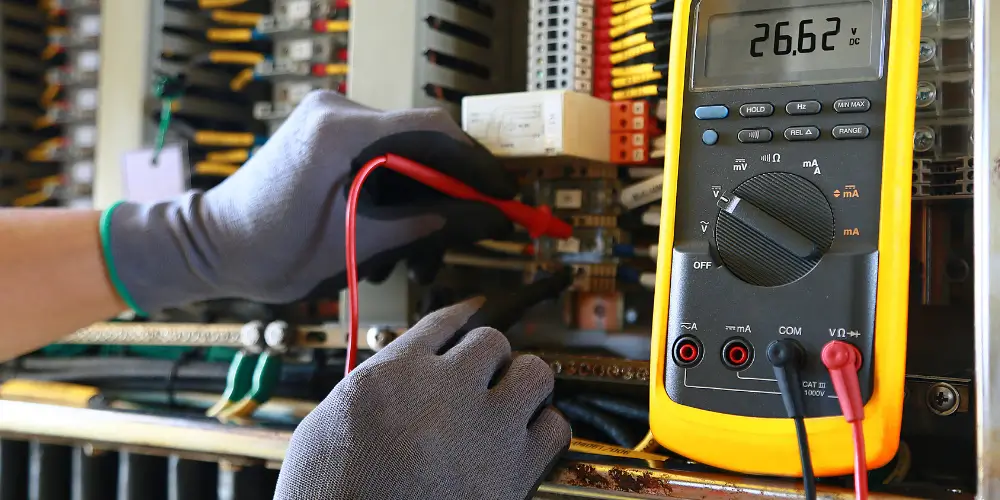
What Happens During an EICR Inspection and Testing Process
EICR Inspection and Testing Process Explained:
1. Purpose of the EICR
- A qualified electrician carries out an Electrical Installation Condition Report (EICR) to ensure a property’s electrical systems meet UK safety standards.
- It confirms that all wiring, fittings, and circuits are safe to use and compliant with current regulations.
2. Visual Inspection
- The process begins with a visual check of the electrical installation.
- The electrician examines switchboards, sockets, lighting, and visible wiring for signs of wear, overheating, or damage.
- Any noticeable defects or unsafe alterations are recorded for further investigation.
3. Insulation Resistance Testing
- Tests are performed to assess the condition of the wiring insulation.
- This helps detect deterioration or faults that could cause short circuits or fires.
4. Earth Fault Loop Impedance Testing
- This test ensures that if a fault occurs, the electrical system will automatically disconnect, preventing electric shocks or fire.
- It checks that fault currents can flow safely to ground.
5. Continuity of Protective Conductors
- The electrician verifies that earth and bonding conductors are correctly connected and continuous throughout the installation.
- Proper earthing is essential to reduce the risk of electrical shock.
6. RCD (Residual Current Device) Testing
- RCDs are tested to make sure they trip quickly under fault conditions.
- Correct RCD performance is vital for protecting people from electric shock.
7. Recording and Reporting Results
- All findings are recorded in the EICR report, which lists observations, test results, and any required remedial actions.
- The report helps property owners maintain compliance and keep occupants safe.
How to Interpret the Results of Your EICR Report
Upon receiving your Electrical Installation Condition Report (EICR), it is crucial to understand the coded observations and recommendations detailed by the electrician. This document is not only a reflection of your property’s current electrical safety but a roadmap towards maintaining your autonomy over its condition.
The results are typically classified within specific codes that indicate the urgency and nature of any issue found. Here’s a breakdown:
- Code C1: ‘Danger present’ – This indicates that there is an immediate threat to safety. Immediate action is required to rectify these hazards to prevent potential harm. The feeling of knowing your property harbours no immediate dangers can be incredibly liberating.
- Code C2: ‘Potentially dangerous’ – These are issues that could become a serious problem if not addressed promptly. It’s a call to action, reminding you of your power to preemptively solve problems before they escalate, thereby guaranteeing a safer environment.
- Code C3: ‘Improvement recommended’ – This code indicates that while the installation is generally safe, enhancements could improve safety standards. It represents an opportunity to refine and optimise, an aspect that resonates with the spirit of continual improvement and freedom from future worries.
Interpret your EICR with the seriousness it warrants, and take decisive action to safeguard your freedom and your property’s safety.
How Regular EICR Testing Helps Maintain Tenant Safety and Property Value
Regular EICR testing is essential to ensure tenant safety and maintain the value of your property.
Electrical Inspection Condition Reports (EICRs) are not just a statutory requirement; they are a critical investment in the longevity and safety of your property investment.
By identifying potential electrical hazards before they become serious, regular EICR testing safeguards not only your tenants but also your property’s structural integrity and market value.
Here are three key emotional benefits of regular EICR testing:
Peace of Mind: Knowing that your property complies with safety standards and is free of electrical hazards provides a profound sense of security.
This peace of mind is invaluable, allowing you, as a property owner, to focus on other aspects of property management and personal freedom without the nagging worry about safety risks.
Trust and Reliability: Tenants feel more at ease and are likely to extend their leases when they know their home is regularly checked and maintained.
This trust builds a positive landlord-tenant relationship, enhancing tenant retention and stability in your rental income.
Protection of Investment: Regular maintenance, including EICRs, prevents the devaluation of your property.
Book a Professional EICR with Landlord Safety Experts in London
Booking a professional EICR with the landlord safety experts in London guarantees that your property adheres to current electrical safety standards.
Electrical Installation Condition Reports (EICRs) are critical for any landlord.
Here’s a quick guide to help you understand how booking a professional EICR can be beneficial:
| Benefit | Description |
| Legal Compliance | Guarantees your property meets all UK electrical safety laws. |
| Tenant Safety | Protects tenants from potential electrical hazards. |
| Preventive Measures | Identifies faults early, preventing costly future damage. |
| Insurance Requirements | Often required for property insurance policies. |
| Value Preservation | Maintains the value and integrity of your property. |
Frequently Asked Questions
Can DIY EICR Assessments Be Legally Used Instead of Professional Services?
DIY Electrical Installation Condition Report (EICR) assessments are not legally recognised. Professional certification by a qualified electrician is required to guarantee compliance with safety regulations and maintain the integrity of property safety standards.
What Are the Penalties for Non-Compliance With EICR Regulations?
Non-compliance with EICR regulations can result in significant penalties, including substantial fines and enforcement notices. Property owners risk legal actions and may face restrictions on renting out premises if they do not adhere to safety standards.
Are There Exemptions for Any Properties From Mandatory EICR Testing?
Specific properties are exempt from mandatory EICR testing, including those without shared electrical installations and some listed buildings. Always confirm specific exemptions with local regulations to verify compliance and maintain safety standards.
How Does a Property’s Age Influence the Frequency of EICR Testing?
Older properties may require more frequent EICR testing due to ageing electrical systems, which can pose higher risks. Regular assessments guarantee compliance and enhance safety, affirming a property owner’s commitment to freedom from hazards.
What Specific Qualifications Should an Electrician Have to Conduct EICR?
To conduct EICR, electricians must be fully qualified and hold accreditation from a recognised body such as NICEIC, ELECSA, or NAPIT. They should also be competent in the latest wiring regulations and safety standards.
Conclusion
In summary, following the correct EICR testing frequency is vital to keep any property safe and compliant. Regular checks by qualified electricians help meet legal standards, protect tenants, and maintain property value. Landlords and owners should always know how often should an EICR be done and arrange inspections on time to prevent safety issues, legal problems, and costly repairs.