In the UK, adherence to fire and safety regulations is paramount for property owners and landlords, dictated primarily by the Regulatory Reform (Fire Safety) Order 2005. This legal framework mandates thorough fire risk assessments and the implementation of necessary safety measures, such as smoke alarms and clear escape routes, across various property types. Compliance promotes tenant safety, minimises legal risks, and promotes community well-being. Violations can result in heavy penalties, including fines or imprisonment. Given the severity of these consequences and upcoming stricter regulations in 2025, property owners should guarantee sustained compliance and prepare for future changes. Further exploration will reveal detailed strategies for maintaining safety standards and avoiding non-compliance penalties.
Key Takeaways
- Conduct thorough fire risk assessments regularly as required by the Regulatory Reform (Fire Safety) Order 2005.
- Install smoke alarms on every story and carbon monoxide detectors in flats and rental properties.
- Ensure fire escape routes and exits are clear and well-marked in all building types, including commercial and mixed-use buildings.
- Schedule routine maintenance checks on fire safety equipment and systems, adhering to the specific regulations of each property type.
- Stay updated with legal changes and advancements in fire safety technology to enhance compliance and safety measures.
Table of Contents
Understanding Fire and Safety Regulations in the UK
Fire and safety regulations in the UK serve as a crucial framework designed to protect tenants and properties from the risks of fire. These regulations are particularly important for landlords and property owners, who bear the responsibility of guaranteeing their buildings are compliant with current safety standards.
The Regulatory Reform (Fire Safety) Order 2005 is a key legislation covering general fire safety in England and Wales. This Order applies to all non-domestic premises, including communal areas in residential buildings.
Landlords must conduct thorough fire risk assessments to identify fire hazards within their properties. This assessment forms the basis of all subsequent fire safety measures and must be reviewed and updated regularly to maintain ongoing compliance with the law.
Essential elements include ensuring that fire detection systems are in place and operational, maintaining clear fire escape routes, and displaying suitable fire safety signs.
Moreover, landlords are required to install and maintain proper firefighting equipment, like extinguishers, in accessible locations. It is also their duty to make sure that all occupants are aware of the emergency procedures and the actions they need to take in the event of a fire.
As a result, understanding and implementing these fire safety regulations for landlords and property owners in the UK is crucial.
Why Fire and Safety Regulations are Essential for Every Property
Fire and safety regulations are essential in safeguarding both lives and property across various types of buildings, including residential flats and commercial spaces.
These standards ensure that every property adheres to strict measures to prevent, control, and mitigate fire risks.
Compliance is not only a legal requirement but a fundamental responsibility for property owners to protect occupants and the wider community.
Fire and Safety Regulations for Flats and Rental Properties
How to meet fire and safety regulations for rental properties and flats? These regulations serve as a critical framework for landlords and management agencies, aiming to minimise the risk of fire incidents and maximise safety for all occupants.
Here are key aspects of fire safety specific to residential and rental units:
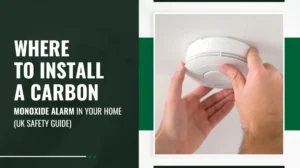
- Smoke Alarms and Carbon Monoxide Detectors: Installation of smoke alarms on every story of the property and carbon monoxide detectors in rooms with fuel-burning appliances is mandatory.
These devices must be tested regularly to confirm they are in working order.
- Fire Escape Routes and Exits: Clear and accessible escape routes must be maintained at all times.
This includes keeping exit points free of obstruction and guaranteeing that fire exit doors are functional and easily openable without keys.
- Fire Safety Assessments and Checks: Regular fire safety risk assessments are required to identify potential hazards within the property.
This includes inspection of the fire doors, the availability and accessibility of fire extinguishers, and the appropriateness of fire alarm systems.
Adherence to these regulations not only guarantees legal compliance but also greatly enhances the safety and security of tenants.
How Commercial and Mixed-Use Buildings Must Comply with UK Fire and Safety Standards
In commercial and mixed-use buildings, adherence to UK fire and safety standards is important for safeguarding both human lives and property assets. These structures often accommodate a high volume of occupants and a variety of uses, increasing the potential fire risk and complexity of evacuation procedures.
The Regulatory Reform (Fire Safety) Order 2005 mandates that responsible persons in these buildings conduct thorough fire risk assessments. This includes identifying hazards, evaluating risks, and implementing appropriate fire precautions.
Key compliance measures include installing and maintaining fire detection and alarm systems, guaranteeing that fire exits and escape routes are clear and well-marked, and providing adequate firefighting equipment.
Furthermore, regular staff training on fire safety protocols is essential to guarantee everyone knows how to act in the event of a fire.
Additionally, the Building Regulations 2010 Part B outlines specific requirements for fire safety provisions within the building’s design and construction. These regulations are particularly stringent for buildings that are tall or have complex layouts, requiring advanced fire safety engineering approaches.
Fire and Safety Regulations for HMO Properties in the UK
Several key regulations for Houses in Multiple Occupation (HMOs) in the UK govern the safety measures, particularly focusing on electrical and fire systems to meet strict legal standards. These regulations are essential in guaranteeing both the safety and welfare of occupants living in shared buildings where risks can be inherently higher.
- Electrical Safety Checks: All HMO properties must undergo periodic electrical inspections every five years. These inspections should be carried out by a qualified electrician who will check the safety of the electrical installations against the UK national standard BS 7671. This guarantees that all electrical systems, including wiring and fixed electrical equipment, are safe and well-maintained.
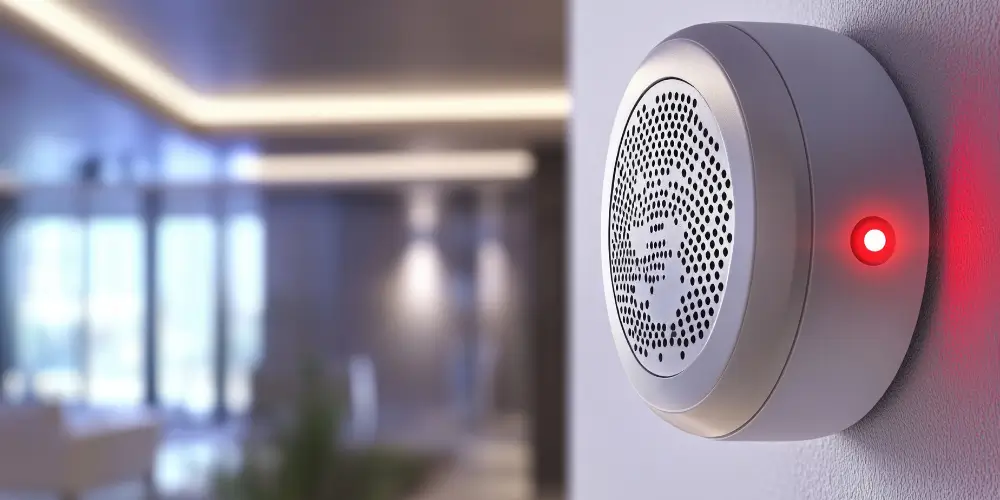
- Fire Detection and Alarm Systems: HMOS must have appropriate fire detection and alarm systems installed. These systems must be designed and installed in accordance with the British Standard BS 5839. The layout of the system, including the number and type of detectors, should be based on a detailed fire risk assessment, which considers the size and design of the property and the level of risk to the occupants.
- Emergency Lighting: In cases of power failure, especially during a fire, properly functioning emergency lighting is vital. HMO regulations require that these systems be installed in communal areas and escape routes. The installation and maintenance of emergency lighting must comply with BS 5266 to guarantee that illumination levels are sufficient for safe evacuation.
These preventive measures are designed to considerably reduce the risks associated with fire and electrical hazards in HMOs, safeguarding both the property and its residents.
Compliance with these regulations is not just a legal obligation but a fundamental aspect of responsible property management.
Landlord Responsibilities
Turning our focus to landlord responsibilities under UK fire and safety regulations, it is essential to understand the specific obligations set to take effect in 2025.
Landlords must be proactive in ensuring that their properties not only comply with current standards but are also prepared for upcoming regulatory changes.
This section explores how landlords can maintain ongoing compliance, thereby safeguarding their tenants and property investments.
What the Law Requires Landlords to do in 2025
Starting in 2025, UK landlords must comply with stricter fire and safety regulations aimed at improving tenant protection and reducing fire risks. The latest fire and safety regulations 2025 UK introduce mandatory fire door checks, more frequent alarm and lighting tests, and stricter record-keeping of all fire safety measures, ensuring that communal areas and escape routes remain safe and compliant with national standards.
These adjustments are not only about avoiding penalties but also about encouraging a safer living environment.
Key responsibilities include:
- Comprehensive Risk Assessments: Landlords must conduct detailed fire safety risk assessments biannually. These assessments should not only identify potential hazards but also provide actionable insights to mitigate any risks found.
- Installation of Modern Safety Equipment: There will be mandatory installation of smoke alarms, carbon monoxide detectors, and fire extinguishers in every rental property. The specifications for these devices will be stringent, requiring compliance with the latest standards of technology and efficiency.
- Regular Maintenance Checks: Systems such as electrical wiring, gas pipelines, and heating systems must undergo annual inspections by certified professionals. Documentation of these checks will be vital for compliance, ensuring that all systems are up to date and functioning safely.
These changes are designed to set a new standard in tenant safety, reflecting an evolving awareness of the essential importance of fire safety in residential properties.
How to Maintain Ongoing Compliance Across Your Properties
Maintaining ongoing compliance with the new fire and safety regulations requires landlords to adopt a proactive and systematic approach. This involves more than just meeting the bare minimum standards at the time of regulatory updates; it demands regular updates to safety measures.
Landlords should start by creating a thorough checklist that covers all regulatory requirements specific to each property type. This checklist should be reviewed and updated annually to incorporate any changes in the law.
Regular training sessions for all management and maintenance staff can also guarantee that everyone is up to date on the latest safety protocols and practices.
Furthermore, conducting routine safety inspections is essential. These should be carried out by qualified professionals who can identify potential hazards and recommend corrective actions.
It’s advisable to keep a detailed log of these inspections, any issues identified, and the steps taken to rectify them. This documentation can be critical in proving compliance should legal problems arise.
Finally, engaging with tenants about fire safety measures and their role in maintaining these standards not only fosters a safer living environment but also promotes a community approach to safety.
Regular updates, newsletters, or meetings can keep safety at the forefront in everyone’s minds.
Why Combining Fire Risk Assessments and Safety Inspections is Crucial
Integrating fire risk assessment requirements for landlords in London with safety inspections is essential for enhancing the efficacy of safety protocols and regulatory compliance in the UK. This combination not only aligns with legal mandates but also fortifies the safety infrastructure of properties, thereby safeguarding occupants and assets.
By intertwining these processes, property owners and managers can guarantee a thorough approach to fire safety which meets the stringent standards set forth by UK safety regulations.
Fire risk assessments are more than a statutory obligation; they are a cornerstone of proactive safety management. These assessments identify potential fire hazards and evaluate the effectiveness of existing fire control measures.
When conducted in concert with regular safety inspections, the synergy provides a robust framework for not only compliance but also for the enhancement of safety measures. This integrated approach leads to several significant benefits:
- Enhanced Detection and Mitigation: By combining these assessments, potential risks can be identified and rectified before they manifest into actual threats.
- Streamlined Compliance Processes: This integration simplifies the compliance process, making it easier to adhere to multiple regulations and standards without redundancy.
- Proactive Prevention Culture: It fosters a culture of safety that prioritises preemptive measures over reactive responses, leading to a safer environment overall.
Adopting a proactive fire and safety strategy through combined assessments not only aligns with regulatory demands but also enhances the overall safety culture within properties.
This approach not only prevents loss of life and property but also instils a sense of security among tenants and property owners alike.

Building Long-Term Compliance with Fire and Safety Regulations
Building long-term compliance with fire and safety regulations requires a structured and consistent approach to guarantee that safety measures evolve alongside emerging risks and technological advancements. This involves not only adhering to current legal mandates but also anticipating future changes in legislation and technology.
Establishing a strong system for regular updates and training is essential. Continuous education and training confirm that property managers and safety officers remain knowledgeable about the latest fire safety protocols and equipment.
Implementing a thorough compliance program involves several key steps. First, regular fire risk assessments should be conducted to identify potential hazards within a property. Competent persons must carry out these assessments and should be reviewed annually or whenever significant changes to the building or its use occur.
Following these assessments, actionable plans must be developed and implemented to mitigate identified risks.
Documentation plays a pivotal role in maintaining long-term compliance. Detailed records of all fire safety measures, inspections, and training sessions should be meticulously maintained. These documents serve not only as proof of compliance but also as a tool for reviewing the effectiveness of current fire safety protocols and making necessary adjustments.
Furthermore, it is advisable to engage with fire safety consultants or advisers who can provide expert insights and guidance tailored to specific properties. Their expertise can be invaluable in navigating the complexities of fire safety regulations and implementing best practices that ensure compliance and enhance safety.
What Happens If You Fail to Comply with Fire and Safety Regulations?
Failing to comply with fire and safety regulations in the UK can lead to severe consequences, both legally and financially. When property owners or managers neglect these critical standards, they not only endanger lives but also expose themselves to substantial penalties for non-compliance with fire and safety laws UK. Understanding the consequences can help underscore the importance of adhering to these regulations.
- Legal Consequences: Non-compliance can result in criminal charges, especially if neglect leads to an incident. Responsible parties may face prosecution under the Regulatory Reform (Fire Safety) Order 2005, which could result in fines or even imprisonment. This legal action underscores the seriousness with which the UK treats fire safety.
- Financial Penalties: Fines for failing to comply with fire safety regulations can be substantial. These are not fixed amounts and can vary depending on the severity of the infraction and the perceived risk to life. In some cases, the courts may impose unlimited fines, which can cripple a business financially.
- Damage to Reputation: Beyond legal and financial ramifications, there is also significant reputational damage that can occur. Businesses found to violate fire safety laws may find their reputation tarnished, leading to a loss of customer trust and potentially devastating impacts on business viability and growth.
These consequences make it imperative for property owners and managers to guarantee strict compliance with fire safety laws. Regular assessments and updates to fire safety measures are not just a legal obligation but a critical component of responsible property management.
Ignoring these duties can lead to irreversible damage both to individuals and to the organisational entity itself.
When Should You Review or Update Your Fire and Safety Measures?
Regular reviews and updates of your fire and safety measures are vital to maintaining compliance with UK regulations and guaranteeing the safety of occupants. These revisions should be scheduled at regular intervals, as well as when specific circumstances demand immediate attention. Typically, a thorough review is recommended at least annually. However, more frequent checks might be necessary depending on the usage, size, and complexity of the building.
Significant changes to the structure of the building, such as renovations or extensions, require an immediate review of existing fire safety measures. This ensures that new areas are adequately protected and existing systems can handle the altered space.
Similarly, changes in the building’s purpose, such as converting a residential property into commercial space, necessitate a detailed reassessment of fire safety protocols to address the different risks and requirements.
It is also important to update your safety measures following any incident that exposes weaknesses in your current system. This could include minor fires, which, while controlled, highlight potential improvements that could prevent future hazards.
Additionally, advancements in fire safety technology or updates in legal regulations can prompt a review to guarantee that the latest and most effective safety solutions are in place.
Finally, engaging with fire safety professionals for regular audits can provide insights into evolving best practices and help maintain a robust safety strategy. These experts can identify less obvious risks and suggest improvements, guaranteeing that your property remains at the forefront of safety compliance and occupant protection.
Frequently Asked Questions
Do I need a professional to carry out a fire risk assessment, or can I do it myself?
While landlords can legally perform a basic fire risk assessment themselves, it’s strongly recommended to hire a qualified fire safety assessor, especially for larger or multi-occupancy properties. A professional ensures compliance with the Fire Safety (England) Regulations 2022 and can identify technical hazards often missed by untrained eyes.
Are There Grants Available for Upgrading Fire Safety?
Yes, grants for upgrading fire safety may be available through local councils or government schemes. Eligibility often depends on the property type and the owner’s financial situation. Check with your local authority for specifics.
What Fire Safety Training Should Staff Receive?
Staff should receive thorough fire safety training, including fire prevention, evacuation procedures, the use of firefighting equipment, and the interpretation of fire safety signs. Regular drills and updated training sessions are essential to maintain safety and compliance.
How do fire and safety regulations differ between commercial and residential properties?
Commercial buildings have stricter requirements under the Regulatory Reform (Fire Safety) Order 2005, including emergency exit signage, extinguishers, and staff training. Residential properties, such as rentals and HMOs, focus on smoke alarms, escape routes, and landlord maintenance duties. However, both must meet core UK fire and safety standards for protection.
Can Tenants Install Additional Fire Safety Equipment?
Tenants may install additional fire safety equipment in their rented property. Still, it is advisable to first seek permission from the landlord to guarantee compliance with existing lease agreements and building regulations.
Conclusion
In summary, adherence to fire and safety regulations is critical for property owners and landlords within the UK to guarantee the safety and well-being of occupants. Regular reviews and updates of fire safety measures, combined with thorough risk assessments, are fundamental in maintaining compliance and enhancing the effectiveness of safety protocols. Failure to comply not only compromises tenant safety but also exposes property owners to legal outcomes, underscoring the importance of these regulations in safeguarding both human lives and property investments.