Fire hazards in the workplace pose serious safety risks, including dangers from electrical faults, improper chemical handling, and unsafe storage of flammable materials. Common causes, such as overloaded sockets, unattended cooking appliances, and poorly maintained fire alarms or extinguishers, can quickly escalate into emergencies. To minimise these risks, businesses should conduct regular fire risk assessments, provide comprehensive fire safety training, and maintain strict housekeeping standards.
Key Takeaways
- Electrical faults, such as overloaded circuits and malfunctioning appliances, are common fire hazards in workplaces.
- Accumulation of clutter around exits and improper storage of combustibles can obstruct escape routes and fuel fires.
- Flammable materials and chemicals, if mishandled or poorly stored, pose severe fire risks, particularly in industries such as chemical production and manufacturing.
- Neglected maintenance of fire safety equipment, such as extinguishers and alarms, compromises emergency response capabilities.
Table of Contents
Common Causes of Workplace Fires in the UK
In the UK, workplace fires frequently originate from predictable sources, with electrical malfunctions and overheating equipment being particularly prevalent.
An analysis of incident reports highlights common scenarios, such as overloaded power sockets in office environments, which greatly contribute to fire outbreaks.
Most Frequent Ignition Sources
Electrical faults are one of the leading fire hazards in the workplace across the UK, making it essential for businesses to identify and control ignition sources through regular safety audits. Common causes include faulty electrical equipment, overloaded circuits, and damaged appliances. Heating devices placed too close to flammable materials and unattended cooking appliances in staff kitchens also increase fire risk. Additionally, smoking materials that aren’t fully extinguished can ignite nearby combustibles. Ongoing employee training, routine hazard assessments, and clear emergency procedures are essential for reducing ignition risks and maintaining a safe working environment.

Real-Life Examples of Office Fire Hazards
Real-life incidents illustrate the risks associated with common fire hazards in UK workplaces. A notable example is that inadequate safety training and overlooked hazard identification led to a severe fire, triggered by faulty electrical wiring. This incident underscored the critical need for extensive emergency plans and regular fire drills.
In another case, blocked exit routes and the absence of fire extinguishers delayed evacuation, exacerbating the situation. These examples highlight the importance of clear evacuation procedures and effective incident reporting systems.
Types of Workplace Fire Hazards (with Examples)
Workplace fire hazards can be broadly categorised into physical, chemical, and electrical origins, each presenting unique risks and requiring specific preventive measures.
For instance, industries such as manufacturing may face heightened chemical hazards due to the presence of flammable liquids and gases. In contrast, office environments typically encounter electrical hazards from overloaded circuits and faulty wiring.
Physical, Chemical & Electrical Hazards
Fire hazards in the workplace can generally be categorised into three primary types:
- Physical Hazards: Include clutter blocking emergency exits, improper storage of combustibles, and faulty heating equipment.
Effective management involves regular equipment maintenance schedules and stringent housekeeping policies.
- Chemical Hazards: Arise from the mishandling of flammable liquids or gases.
Implementing robust chemical spill response protocols and adhering to hazard communication standards are critical.
- Electrical Hazards often result from overloaded circuits, exposed wiring, or outdated electrical systems.
Regular electrical safety audits and workplace training programs are essential to mitigate these risks.
- Comprehensive Approach: Incorporates fire prevention strategies that are part of the UK Govt standards, emergency response planning, fire drill procedures and fire safety equipment to enhance overall safety.
Common Ignition Sources
Identifying common ignition sources is critical in managing fire risks within the workplace.
Electrical faults and overheated equipment can inadvertently initiate fires, often due to poor maintenance or device malfunction.
Similarly, open flames and sparks from heat work activities, such as welding, present significant risks that require stringent control measures to guarantee safety.
Electrical Faults & Overheating Equipment
Significant ignition sources can cause severe damage if not properly controlled. Prevent circuit overloads by following electrical safety rules and distributing power loads correctly. Regular inspections help detect faulty wiring or insulation breakdowns, reducing the risk of heat build-up and fire. Schedule routine maintenance for all electrical equipment to catch issues like overheating early. Use surge protectors to prevent voltage spikes and apply thermal imaging to identify hot spots before they become dangerous.
Flammable Materials & Fuels
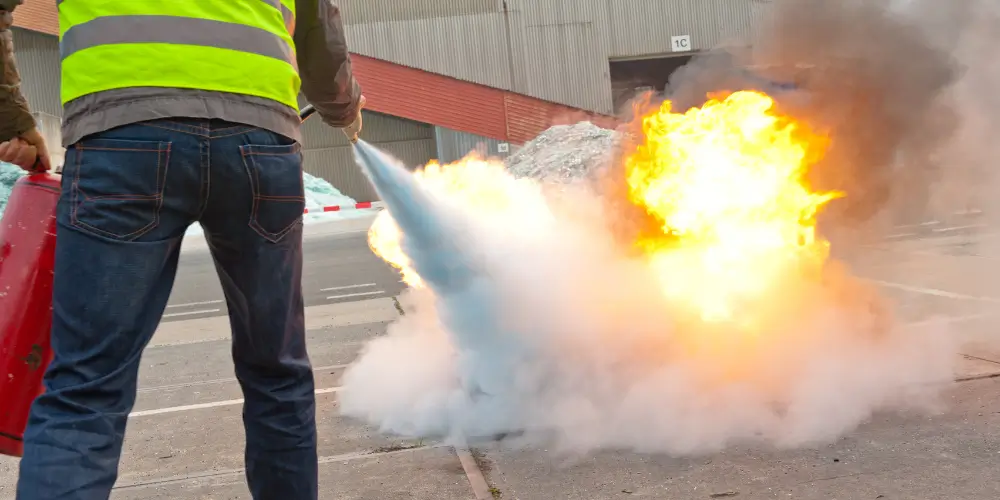
Flammable materials and fuels are among the most significant fire hazards in any workplace. From simple office supplies to industrial chemicals, these substances can ignite quickly when exposed to heat, sparks, or open flames.
Office, Warehouse & Industrial Materials
Different work environments contain various flammable materials that require careful management. Offices often store large amounts of paper, cardboard, and cleaning products, all capable of fuelling a fire if mishandled. Warehouses add further risks with packaging, aerosols, and stored fuels, while industrial sites may involve solvents, paints, or gas cylinders that are highly combustible.
Fire Safety Precautions
Mastery of the measures is essential:
- Conduct Regular Risk Assessments: Identify potential hazards and review safety measures periodically to guarantee they meet the latest standards and regulatory requirements.
- Develop Extensive Emergency Plans: Include clear evacuation procedures, roles of fire wardens, and escape route maps.
- Organise Routine Fire Drills and Training Sessions: Ensure all employees are familiar with emergency plans through regular drills and provide training on using safety equipment effectively.
- Equip Workplaces With Appropriate Safety Equipment: Install and maintain proper fire extinguishers, smoke detectors, and other fire suppression tools.
Each step is crucial in supporting a safe and prepared working environment.
Clutter & Obstructed Exits
Cluttered areas and blocked exits are major fire hazards in the workplace. When corridors or doorways are obstructed, evacuation becomes difficult and dangerous. Keeping walkways clear and storage organised helps prevent accidents and ensures everyone can exit safely during a fire.
Blocked Escape Routes & Corridors
Blocked escape routes increase the risk of serious fire hazards. Boxes, furniture, or waste left in corridors can slow down evacuation and trap occupants. Regular inspections and staff training help keep all routes open, ensuring quick and safe access to fire exits.
Fire Exit Signage Requirements (UK)
Proper signage is vital for reducing fire danger, according to BS EN ISO 7010. UK regulations require clear, illuminated fire exit signs visible in all conditions. Signs should guide people toward safe exits and be checked regularly to ensure they’re clean, compliant, and unobstructed.
Heating Equipment Risks
Heating systems are essential for comfort, but can become serious fire risks if not properly managed. Poor maintenance, faulty wiring, or placing heaters near flammable objects can quickly lead to ignition. Regular checks and safe positioning of all heating devices are key to reducing these risks.
Portable Heaters & Radiators
Portable heaters and radiators are among the most common fire hazards in the workplace. When used incorrectly, they can overheat or ignite nearby materials such as paper, curtains, or furniture. Always ensure adequate space around heating units and switch them off when unattended to prevent potential fires.
Risk Reduction Measures
Effective fire prevention starts with regular workplace risk assessments and proper equipment maintenance; training staff on safe practices, emergency response, and correct storage of flammable materials. Keep alarms, extinguishers, and signage in good condition. Consistent awareness and upkeep greatly reduce the risk of workplace fires. These measures collectively enhance workplace safety and preparedness.
Hot Work Operations
Hot work, such as welding, cutting, or grinding, creates sparks and high temperatures that can ignite surrounding materials. These tasks also generate flammable gases and molten metal, increasing the risk of accidental fires.
Welding, Cutting & Grinding Risks
Common hazards include sparks landing on combustible materials, heat buildup in nearby surfaces, and flammable vapours igniting during work. Poor ventilation can also allow gases and fumes to accumulate, heightening the danger. Always clear the area of combustibles and use fire-resistant shields when performing hot work.
Preventive Actions
To reduce fire hazards in the workplace, issue hot work permits, maintain fire watch procedures, and ensure workers wear protective gear. Keep fire extinguishers nearby and inspect the area after work to prevent delayed ignition.
Neglected Fire Safety Equipment
Poorly maintained safety equipment is one of the most overlooked fire hazards in the workplace. Faulty alarms, damaged fire doors, or empty extinguishers can turn a small incident into a major disaster. Regular inspections and maintenance are vital to keeping systems reliable.
Fire Door Inspection Checklist (Workplace)
A thorough fire door inspection is essential for guaranteeing workplace safety and compliance with fire safety regulations.
This fire door inspection checklist, designed for mastery by safety professionals, emphasises critical areas based on fire door types, inspection frequency, and compliance requirements.
Here are key components:
- Inspection Frequency: Adhere to regular scheduling as per the latest safety codes to guarantee timely identification of issues.
- Damage Assessment: Evaluate doors for structural integrity, signs of wear, or damage that could impair functionality.
- Testing Procedures: Conduct tests to verify that fire doors close correctly, seals are intact, and the mechanisms function as expected.
- Accessibility Issues: Guarantee that fire doors remain easily accessible and free from blockages at all times.
Adherence to these points assures robust fire safety management.
Alarm & Extinguisher Maintenance
Malfunctioning alarms and neglected extinguishers increase fire hazards in the workplace. Test alarms monthly, service extinguishers annually, and replace any that show wear or damage. Reliable equipment saves lives when seconds matter.
Fire Control Measures
Strong fire control measures are essential for preventing emergencies and protecting lives. Conduct regular fire safety audits to identify and fix potential hazards early. Keep fire extinguisher types updated to match the specific risks in each area of the workplace. Implement systematic fire drill procedures to ensure everyone knows how to respond quickly and safely. Provide ongoing fire safety training so employees stay aware of current practices and responsibilities. Together, these steps create a safer environment and reduce the likelihood of workplace fires.
Ventilation & Oxygen Effects
Poor ventilation can worsen fire hazards in the workplace by feeding flames with extra oxygen and spreading smoke quickly. Understanding how airflow affects fire behaviour is key to keeping the environment safe.
Airflow Feeding Fire Spread
Uncontrolled airflow allows fires to grow and move rapidly through open spaces. Gaps in walls, ceilings, or ducts can spread heat and smoke, making evacuation harder and damage more severe.
Poorly Designed Ventilation Systems
Faulty or poorly planned ventilation systems can draw flames into other areas, increasing fire hazards in the workplace. Regular maintenance and proper design help control air movement and reduce fire risk.
| Feature | Impact on Fire Safety | Recommended Action |
| Airflow Patterns | Can spread smoke | Optimise airflow direction |
| Duct Material | Can ease the spread | of fireUse fire-resistant materials |
| Exhaust Efficiency | Removes hazardous fumes | Regular maintenance checks |
| System Flexibility | Adapts to varied scenarios | Incorporate modular designs |
These elements are foundational to designing a ventilation system that not only meets regulatory standards but also actively contributes to a safer work environment.

Legal Duties & Fire Risk Assessment
Understanding legal responsibilities is important for preventing fire hazards in the workplace. Both employers and employees play key roles in ensuring safety standards are met. Adhering to UK fire safety laws and maintaining regular risk assessments helps protect lives, property, and business continuity.
Employer vs Employee Responsibilities
Employers are legally required to identify fire risks, provide safety equipment, and train staff in emergency procedures. Employees must follow safety rules, report hazards, and take part in drills. Working together ensures everyone contributes to a safer, compliant workplace.
Regulatory Reform (Fire Safety) Order 2005 (UK)
The Fire Safety at Workplace Order sets out clear obligations for managing workplace fire risks. It requires a responsible person to carry out fire risk assessments, implement control measures, and review them regularly. Non-compliance can result in serious penalties or prosecution.
Compliance & Fire Risk Management Steps
Achieving compliance with the Regulatory Reform (Fire Safety) Order 2005 necessitates a series of steps, each critical to managing fire risks effectively within the workplace.
Here are the key actions required:
- Conduct Detailed Risk Assessments: Regularly evaluate all potential fire hazards to develop robust safety protocols, guaranteeing all areas are covered from fire extinguishers to evacuation plans.
- Implement Fire Safety Audits and Compliance Checks: Periodically review fire safety measures and compliance with legal standards to identify and rectify lapses.
- Train Employees: Provide thorough training on fire safety, including the use of fire extinguishers, understanding safety signage, and executing evacuation plans.
- Organise Emergency Drills: Schedule routine emergency drills to guarantee readiness and efficacy of response plans, enhancing employee preparedness in real scenarios.
Frequently Asked Questions
What are the Top Three Fire Hazards at Work?
The top three fire hazards in the workplace are electrical faults, flammable materials, and human error. Faulty wiring or overloaded sockets can spark fires, while flammable items like paper or chemicals ignite easily near heat sources. Mistakes such as unattended cooking or careless smoking also raise risks. Regular checks, safe storage, and staff awareness help prevent these hazards.
Who is the Responsible Person for Fire Safety at Work?
The responsible person for fire safety at work is usually the employer, business owner, or building manager. This individual ensures that fire hazards in the workplace are identified, risk assessments are carried out, and proper safety measures are in place.
Do all Businesses Need a Fire Risk Assessment UK?
Yes, all businesses in the UK are legally required to carry out a fire risk assessment, regardless of size or type. This process helps identify fire hazards in the workplace, evaluate the level of risk, and ensure proper safety measures are in place. Regular reviews and updates are essential to stay compliant with the Regulatory Reform (Fire Safety) Order 2005 and to protect employees, visitors, and property from potential fire incidents.
How Often Should Fire Safety Equipment Be Checked at Work?
Fire safety equipment should be inspected at least once a month and professionally serviced annually. Regular checks ensure alarms, extinguishers, and emergency lighting are fully operational and ready to respond to any fire hazards in the workplace.
What Should Employees Do During a Fire Emergency?
In a fire emergency, employees should raise the alarm immediately, evacuate through the nearest safe exit, and head to the designated assembly point. They should never use lifts or re-enter the building until it’s declared safe. Knowing these steps helps reduce confusion and keeps everyone protected.
Conclusion
To sum up, workplace fires in the UK stem from a complex interplay of factors, ranging from common ignition sources to human error. The legal imperative to conduct thorough fire risk assessments not only underscores the seriousness of these hazards but also suggests a potential for catastrophic outcomes if neglected. As organisations endeavour to mitigate these risks, the onus is on adhering to stringent safety standards to forestall the grim possibilities that lurk behind non-compliance.