The POCMAR framework is essential for effective fire safety compliance. It encompasses 5 Elements of POCMAR: Prevention, Occupant Safety, Control Measures, Emergency Preparedness, and Compliance Monitoring. Each component plays a distinct role in reducing fire risks and ensuring safety. Understanding how these elements interconnect can lead to improved strategies. However, the nuances of each aspect warrant closer examination to fully assess their impact on fire safety practices.
Key Takeaways
- Prevention focuses on measures to avoid fire incidents, including proper storage and handling of combustible materials.
- Occupant Safety ensures systems are in place to protect individuals during emergencies and facilitate safe evacuations.
- Control Measures involve equipment and practices designed to limit fire spread, such as fire alarms and extinguishers.
- Emergency Preparedness includes planning and training to ensure effective responses to fire incidents and readiness among occupants and staff.
- Compliance Monitoring entails regular checks to ensure adherence to safety protocols, reinforcing accountability and continuous improvement in fire safety practices.
Table of Contents
An Introduction to POCMAR and Its Role in Fire Risk Assessments
POCMAR, an acronym for the Principles of Compliance Management and Risk Evaluation, serves as an essential framework in fire safety. This structured method helps organisations identify, evaluate, and mitigate fire risks effectively. By establishing clear guidelines, POCMAR enables businesses to comply with safety regulations while safeguarding both personnel and property.
The framework emphasises the importance of systematically evaluating possible fire risk, thereby facilitating the development of targeted strategies to minimise risks. It encourages organisations to adopt energetic measures, including regular training and thorough inspections, to maintain a culture of safety.
Furthermore, POCMAR encourages collaboration among stakeholders, ensuring that all parties are aware of their responsibilities in fire risk management. By integrating POCMAR into fire safety protocols, organisations can improve overall safety performance, ultimately creating a more secure environment for employees and visitors alike.
Breaking Down the Five Core Areas Covered by POCMAR
The POCMAR framework comprises five core areas essential to effective fire safety compliance.
These areas provide a structured method for identifying and reducing fire risks within various premises. Each component plays a critical role in ensuring a thorough fire safety strategy.
- Prevention: Strategies and measures aimed at avoiding the occurrence of fire incidents.
- Occupant Safety: Procedures and systems designed to protect individuals during a fire emergency.
- Control Measures: Implementation of equipment and practices that limit the spread and impact of fire.
How Premises Design and Layout Influence Fire Risk Decisions
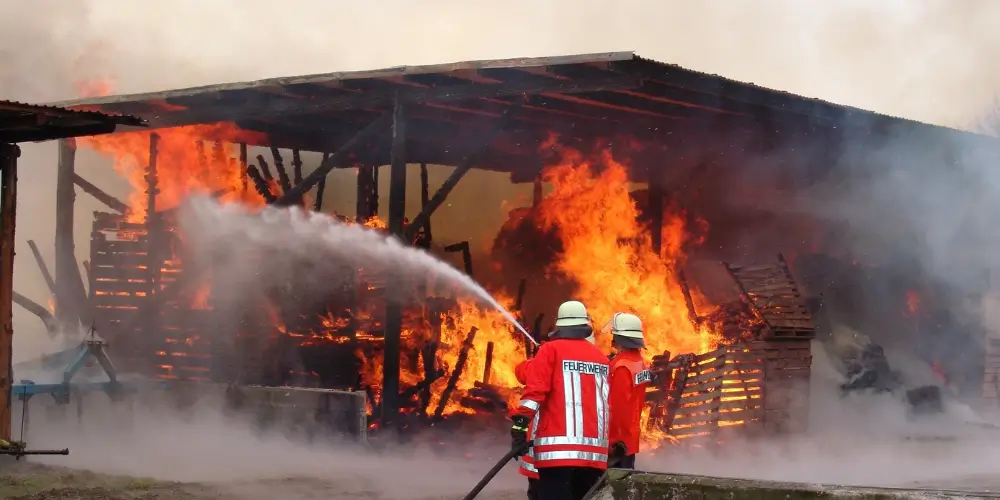
Premises design and layout significantly impact fire risk decisions, shaping how effectively fire safety measures can be implemented. A well-thought-out layout ensures safe evacuation routes, keeping exit paths clear and accessible during emergencies. For instance, open spaces provide better visibility and faster movement, promoting more efficient evacuations.
Conversely, complex designs with narrow corridors and dead-end spaces can increase the likelihood of panic and confusion during a fire.
Additionally, the placement of fire safety equipment, such as alarms and extinguishers, is vital. Strategically locating these resources guarantees they are readily available when needed.
Moreover, construction materials can contribute to fire spread; non-combustible materials are preferred to mitigate the risk. Ultimately, a thorough understanding of premises design and layout is essential for practical fire risk assessment, helping to safeguard lives and property in the event of a fire.
Identifying Occupants and People at Risk in a Fire Scenario
How can a clear understanding of who is present during a fire influence safety measures? Identifying occupants and those at risk is essential for effective fire safety compliance. Knowledge of a building’s demographics and individual physical capabilities informs the development of tailored evacuation plans and safety protocols. This understanding can minimise chaos and increase response efficiency during emergencies.
Key considerations include:
- Vulnerable populations: Children, elderly individuals, and persons with disabilities may require additional assistance for safe evacuation.
- Occupant density: High occupancy areas may require more extensive emergency resources and rapid response measures.
- Familiarity with the premises: Individuals unfamiliar with the layout may need additional guidance during an evacuation.
Common Fire Hazards Assessed Under the POCMAR Framework
While evaluating fire safety compliance, the POCMAR framework identifies several common fire dangers that can pose significant risks in various environments.
These risks include flammable materials, such as chemicals and textiles, which may ignite easily. Electrical risk, often stemming from faulty wiring or overloaded circuits, is also an essential concern.
Additionally, inadequate storage of combustible materials can increase fire risk, especially in industrial settings. Poorly maintained heating systems contribute to fire danger, as they may overheat or malfunction.
The presence of obstructed exits can exacerbate dangers during an emergency by hindering evacuation efforts. Finally, human factors, such as negligence or improper use of equipment, play a vital role in fire risk.
Evaluating Escape Routes and Emergency Exits Effectively
Practical evaluation of escape routes and emergency exits is essential for guaranteeing safety during a fire emergency. This process involves evaluating the accessibility, visibility, and functionality of all possible escape paths. A thorough evaluation helps identify any obstacles that could hinder evacuation efforts.
- Accessibility: Confirm that all exits are easily reachable and not obstructed by furniture or equipment.
- Visibility: Clearly mark escape routes with illuminated signs and confirm that they are visible in low-light conditions.
- Functionality: Regularly test exit doors to verify they open easily and are not locked during emergencies.
Conducting periodic drills and evaluations greatly increases preparedness. By focusing on these key elements, organisations can create a safer environment for occupants, allowing for efficient evacuation in the event of a fire.
Prioritising the evaluation of escape routes and emergency exits ultimately contributes to effective fire safety compliance.
Fire Detection, Warning Systems, and Safety Equipment Explained
A robust fire detection and warning system is vital for minimising risks and guaranteeing safety in any establishment. These systems typically include smoke detectors, heat detectors, and fire alarm systems that work together to identify likely threats quickly. Smoke detectors detect smoke, while heat detectors detect temperature changes, enabling early fire detection.
In addition to detection systems, audible and visual warning devices are essential. Alarms and strobe lights alert occupants to evacuate and seek safety.
Moreover, safety equipment such as fire extinguishers, hoses, and sprinklers plays an integral role in suppressing fires and protecting lives.
Regular maintenance and testing of these systems are vital to guarantee their effectiveness. A thorough understanding of fire detection, warning systems, and safety equipment empowers organisations to implement effective fire safety measures, ultimately safeguarding both people and property.

Management Responsibilities and Fire Safety Procedures
Management plays an essential role in establishing and enforcing fire safety procedures within an organisation. Their responsibilities include ensuring that all employees are aware of fire safety protocols and that these protocols are regularly updated in line with regulations.
Effective management promotes the art of safety and compliance, which is vital for minimising fire risks.
Key responsibilities include:
- Training and Education: Providing regular fire safety training to employees to guarantee they understand protocols and emergency procedures.
- Policy Development: Creating and maintaining clear fire safety policies that align with legal requirements and industry best practices.
- Regular Audits and Reviews: Conducting routine inspections and evaluations of fire safety measures to identify areas for improvement.
Why Structured Risk Assessment Is Essential for Legal Compliance
Conducting structured risk assessments is vital for organisations aiming to achieve legal compliance in fire safety. These assessments systematically identify potential fire risks, evaluate associated risks, and determine the necessary controls to mitigate them. By adhering to structured methodologies, organisations can guarantee they meet regulatory requirements and industry standards, thereby minimising legal liabilities.
Furthermore, a well-documented risk assessment process serves as evidence of due diligence in the event of an incident. This documentation is essential during inspections or legal proceedings, showcasing an organisation’s commitment to safety and compliance.
Regularly updating risk assessments allows organisations to adapt to changes in operations or regulations, reinforcing their energetic stance on fire safety. Ultimately, structured risk assessments not only fulfil legal obligations but also promote a culture of safety within the organisation, benefiting employees and stakeholders alike.
Using POCMAR Findings to Improve Overall Fire Safety Standards
By leveraging findings from the POCMAR framework, organisations can greatly increase their overall fire safety standards. The POCMAR way provides valuable insights that can be utilised to assess and improve fire safety protocols.
By analysing data from POCMAR, organisations can identify weaknesses and implement targeted improvement strategies.
- Increase Training Programs: Tailor fire safety training to identified gaps to ensure employees are well-prepared for emergencies.
- Improved Infrastructure: Utilising findings to reinforce fire-resistant materials and design can significantly reduce risks.
- Regular Compliance Audits: Establishing a routine for audits based on POCMAR data helps maintain compliance and adapt to evolving regulations.
Through these strategies, organisations can create an energetic fire safety customs, ultimately reducing risks and enhancing protection for personnel and property.
Frequently Asked Questions
How Often Should POCMAR Assessments Be Conducted?
POCMAR assessments should be conducted regularly, typically annually, to guarantee ongoing compliance and effectiveness. However, factors such as changes in operations or regulations may necessitate more frequent evaluations to maintain ideal fire safety standards.
What Qualifications Do Assessors Need for POCMAR Evaluations?
Assessors conducting POCMAR evaluations typically require relevant certifications in fire safety, extensive training in risk assessment, and practical experience in emergency management. Their qualifications ensure accurate evaluations and compliance with fire safety standards.
Are There Any Specific Industries That Must Use POCMAR?
Specific industries, particularly those operating in high-risk environments such as manufacturing, construction, and hospitality, are required to implement POCMAR. Compliance guarantees effective fire safety measures, protecting both personnel and property from possible danger associated with fire incidents.
Can POCMAR Be Applied to Residential Properties?
POCMAR can indeed be applied to residential properties. Its principles magnify fire safety measures, ensuring that homeowners implement effective strategies for prevention, detection, and response, ultimately encouraging a safer living environment for all residents.
What Are the Costs Associated With Implementing POCMAR?
Implementing POCMAR can incur various costs, including training personnel, purchasing necessary equipment, and ongoing maintenance expenses. These financial considerations depend on property size, compliance requirements, and specific fire safety measures needed for effective implementation.
Conclusion
In summary, the POCMAR framework serves as an essential tool in enhancing fire safety compliance by integrating prevention, occupant safety, control measures, emergency preparedness, and compliance monitoring. By systematically addressing each element, organisations can considerably reduce fire risks and improve overall safety standards. The collaboration between effective design, risk assessments, and management responsibilities further guarantees that occupants are protected, ultimately promoting the art of fire safety in various environments.