Fire safety compliance is a key responsibility for every UK landlord, especially when managing buildings with commercial kitchens or shared cooking facilities. The RC44 Fire Risk Assessment provides a clear, structured way to evaluate fire hazards associated with kitchen extract and ventilation systems, one of the most overlooked yet high-risk areas in property management. By following RC44 guidance, landlords can ensure their systems are clean, maintained, and aligned with current fire safety regulations. This not only protects tenants and property assets but also demonstrates professional commitment to meeting the highest safety standards.
Key Takeaways
- The RC44 Fire Risk Assessment follows a straightforward step-by-step process to evaluate kitchen extract and ventilation systems safely.
- It includes inspection, hazard identification, risk evaluation, and professional reporting for complete fire safety transparency.
- Each hazard is rated to help landlords prioritise corrective actions and ongoing maintenance.
- Regular reviews, typically every 6–12 months, ensure systems remain clean, efficient, and compliant with UK fire safety law.
- Working with qualified professionals, such as Landlord Safety Experts, ensures accurate assessments and long-term compliance.
Understanding the RC44 Fire Risk Assessment: Scope and Background
The RC44 Fire Risk Assessment is a guidance document developed by the Fire Protection Association (FPA) as part of the Insurers’ Fire Research Strategy Scheme. It outlines a systematic approach to assessing fire hazards in kitchen extract ventilation systems, which pose high fire risks in both commercial and mixed-use residential buildings.
This framework supports landlords and property managers in ensuring their ventilation systems are safe, well-maintained, and compliant with UK fire regulations.
By focusing on extract systems, the RC44 standard fills a gap often missed in general fire safety checks. It provides practical measures to reduce fire risk from grease deposits, heat, and airborne contaminants.
Understanding this standard allows landlords to demonstrate due diligence and safeguard tenants while meeting insurance and regulatory requirements.
The Role of RC44 in Managing Fire Risks from Kitchen Extraction Systems
RC44 plays a direct role in identifying and managing fire risks within kitchen extraction systems, where a combination of heat, oils, and airflow can quickly escalate into a serious fire hazard.
It guides landlords on inspecting ducting, fans, and filters to confirm they are clean, accessible, and free from ignition sources.
In practice, this assessment ensures landlords and facility managers take proactive action before risks develop. By maintaining proper extraction hygiene and recording maintenance schedules in accordance with RC44 standards, property owners reduce the fire through ductwork and improve the overall safety performance of their buildings.
Legal Framework Linking RC44 to the Regulatory Reform (Fire Safety) Order 2005
Although the RC44 Fire Risk Assessment is a document which directly supports the Regulatory Reform (Fire Safety) Order 2005, which requires every responsible person to carry out a suitable and sufficient fire risk assessment.
For landlords, implementing RC44 guidance demonstrates that appropriate measures have been taken to identify and control fire hazards related to extraction systems.
By following RC44 recommendations, landlords also meet expectations set out by British Standards such as BS 9999 (fire safety in design, management, and use of buildings) and BS 5839 (fire detection and alarm systems).
This strengthens compliance evidence and helps landlords meet both legal and insurance obligations with confidence.

Why RC44 Is Essential for Landlords, HMO Owners, and Commercial Property Managers
While the Fire Safety (England) Regulations 2022 set out the legal duties for landlords and property managers, the RC44 Fire Risk Assessment provides detailed technical guidance on managing one of the highest-risk areas, kitchen extraction and ventilation systems.
Its structured format ensures that ventilation systems are regularly reviewed and maintained to prevent the build-up of combustible materials.
Using RC44 assessments adds credibility to your compliance strategy. It reassures local authorities, tenants, and insurers that you have gone beyond the minimum safety checks.
For landlords managing HMOs or restaurants, applying RC44 principles can significantly reduce downtime, avoid costly repairs, and create a safer property portfolio.
Key Risk Factors RC44 Targets in Extraction and Ductwork Systems
RC44 identifies the specific causes of fires within kitchen extract systems. Common risks include grease build-up, poor airflow, and damaged or incorrectly installed ductwork.
The assessment helps detect these hazards early, ensuring that all components are accessible for cleaning and maintained in line with manufacturer recommendations.
The RC44 process also highlights operational risks such as overuse of cooking equipment, poor staff training, or inadequate maintenance scheduling.
Addressing these factors prevents minor issues from escalating into major safety concerns, allowing landlords to maintain compliance while protecting both property and occupants.
Step-by-Step Overview of the RC44 Fire Risk Assessment Process
The RC44 Fire Risk Assessment follows a structured, evidence-based approach to ensure every aspect of a kitchen extraction system is checked and recorded correctly.
Below are the key steps involved:
Initial Consultation and Planning
- The assessor collects background information about the property, such as building layout, kitchen design, and the type of extraction systems installed.
- Any previous cleaning or maintenance records are reviewed to identify areas that may need closer attention.
Visual Inspection
- A detailed on-site inspection is conducted to examine ducts, filters, fans, and hoods for signs of grease buildup or damage.
- Access panels and cleaning points are checked to confirm they meet RC44 accessibility standards.
Identification of Fire Hazards
- The assessor looks for ignition sources, airflow restrictions, and improper installation that may increase fire risk.
- Any materials or surfaces that could allow fire to spread through the system are also assessed.
Risk Evaluation
- Each hazard is reviewed and given a risk rating based on the likelihood of fire and the potential level of damage.
- The results help prioritise corrective actions and maintenance schedules.
Testing and Verification
- Where possible, the performance of fans, ductwork, and extraction systems is checked for efficiency and airflow consistency.
- This helps ensure that ventilation is working effectively to reduce grease accumulation.
Reporting and Recommendations
- The assessor produces a written RC44 report outlining findings, risk levels, and practical recommendations for improvement.
- Landlords receive clear guidance on what needs to be addressed and within what timescale.
Follow-Up and Review
- After the assessment, landlords are advised to carry out any required remedial work and maintain ongoing cleaning records.
- Regular reviews, typically every 6–12 months, ensure continuous compliance with RC44 and UK fire safety standards.
Evaluating Fire Prevention and Protection Controls Under RC44 Standards
The RC44 framework doesn’t just identify fire risks; it also assesses the effectiveness of current control measures. This includes reviewing the condition of fire dampers, suppression systems, cleaning schedules, and emergency response arrangements.
Assessors check whether the systems are maintained at suitable intervals and functioning as intended.
Landlords who follow these recommendations benefit from a more reliable fire protection system and fewer compliance issues. Regular testing and documentation under RC44 not only improve tenant safety but also demonstrate that the landlord has taken reasonable steps to prevent fire incidents, as required by UK fire safety law.
Recording and Managing Fire Safety Data Using the RC44 Framework
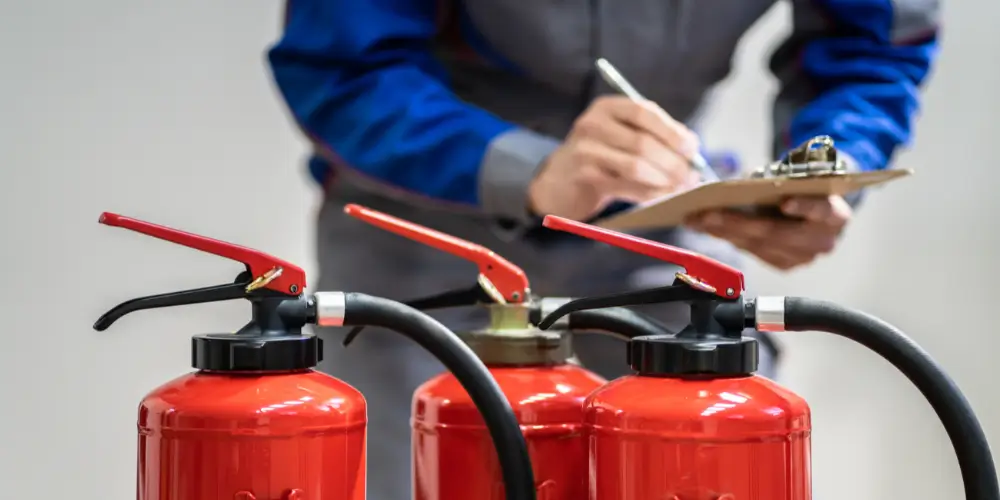
Accurate record-keeping is central to RC44 compliance. The assessment requires landlords to maintain detailed documentation of inspection results, maintenance records, and follow-up actions.
This ensures transparency and helps identify when additional cleaning or servicing is required.
Maintaining up-to-date records is especially useful during insurance assessments or fire audits. It shows that the property has a consistent safety management process in place.
Landlords who keep proper documentation can more easily prove compliance and reduce disputes if a fire-related incident ever occurs.
Frequency and Review Intervals Recommended for RC44 Reassessments
RC44 guidance recommends that fire risk assessments for kitchen extract systems be reviewed regularly, depending on the frequency and intensity of cooking operations.
For busy commercial or shared kitchens, inspections may be required every six months, while lower-use systems can be assessed annually.
Regular reviews help landlords maintain safety standards as building use changes. Updating assessments ensures that cleaning routines, duct access points, and extraction efficiency remain consistent with RC44 expectations.
It’s also a strong demonstration of ongoing compliance for both local authorities and insurers.
Achieving Full RC44 Compliance with Landlord Safety Experts
At Landlord Safety Experts, we specialise in providing professional RC44 assessment services across the UK. Our qualified fire risk assessors have in-depth experience with kitchen extract systems and the RC44 framework.
We help landlords identify hazards, improve maintenance practices, and ensure compliance with all relevant safety standards.
Working with our team ensures your property remains safe, compliant, and audit-ready.
Whether you manage a single HMO or a portfolio of commercial kitchens, our tailored RC44 fire risk assessment service gives you peace of mind and full compliance with UK fire safety regulations.
Frequently Asked Questions
What is an RC44 Fire Risk Assessment?
The RC44 Fire Risk Assessment is a detailed inspection process designed to evaluate fire risks within kitchen extract and ventilation systems. It follows guidance published by the Fire Protection Association (FPA) and helps landlords comply with UK fire safety regulations.
Who needs to carry out an RC44 Fire Risk Assessment?
Landlords, HMO owners, and property managers responsible for buildings with commercial or shared kitchens should arrange regular RC44 assessments. This ensures extract systems are clean, well-maintained, and meet legal safety standards.
How often should RC44 assessments be reviewed?
The frequency depends on kitchen usage. Busy or commercial kitchens typically need inspections every 6 months, while lighter-use systems can be assessed annually to maintain compliance and safety.
Is the RC44 Fire Risk Assessment a legal requirement?
While RC44 itself is guidance rather than law, it supports compliance with the Regulatory Reform (Fire Safety) Order 2005, which requires landlords to conduct suitable fire risk assessments. Following RC44 shows clear evidence of due diligence.
Why choose Landlord Safety Experts for RC44 assessments?
Landlord Safety Experts provide fully qualified assessors with experience in RC44 fire safety inspections. We ensure your property meets UK fire safety standards, with accurate reporting and practical recommendations for long-term compliance.
Conclusion
Carrying out an RC44 Fire Risk Assessment is an essential step in maintaining fire safety compliance and protecting your property against preventable fire incidents. It provides landlords with a clear framework to identify hazards, record findings, and plan regular maintenance for extract systems. Partnering with Landlord Safety Experts ensures that each assessment is carried out by qualified professionals who understand the legal and technical requirements of RC44. Our goal is to help landlords across the UK create safer living and working environments while meeting every aspect of fire safety compliance with confidence.